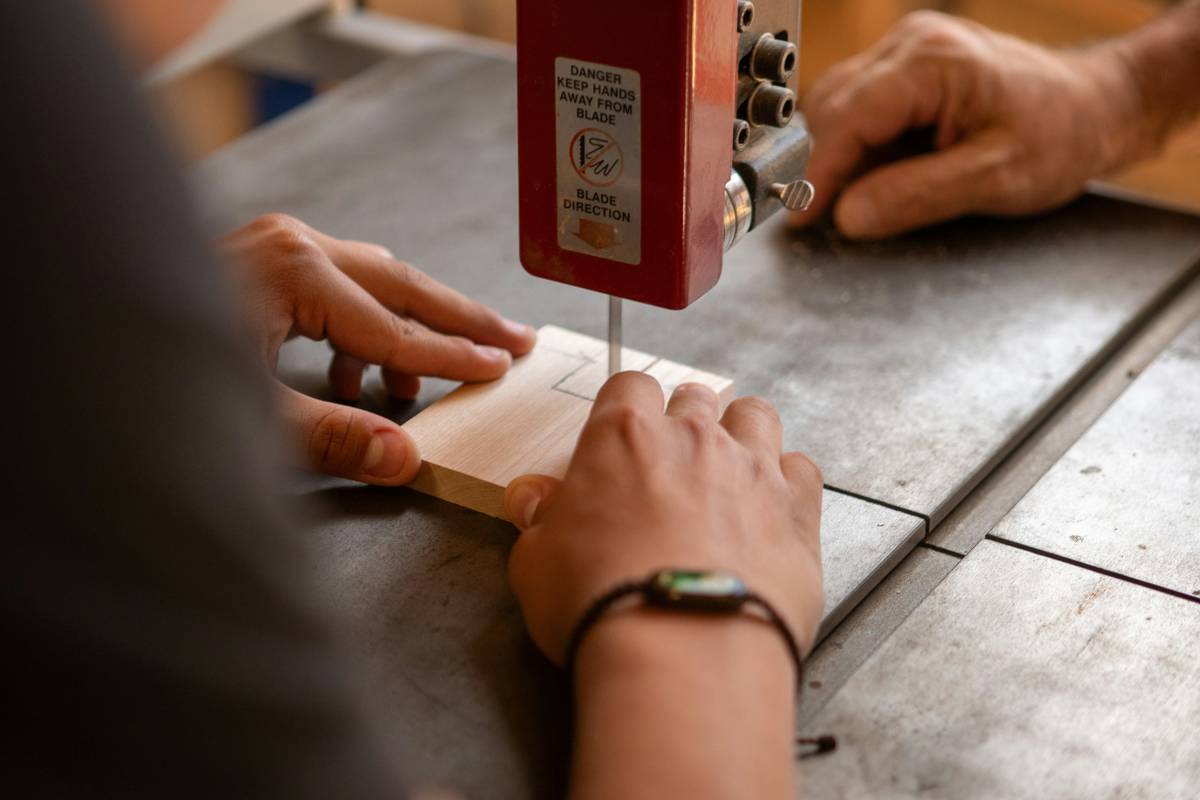
You’ve got a weekend. A vision. And a pile of scrap wood begging to become something useful. But your garage? It’s missing one critical tool—the kind that turns rough cuts into refined curves. Enter the diy project band saw m18 fueltm. Not just another power tool—it’s your ticket to clean, controlled cuts without dragging a 200-pound stationary unit into your driveway.
Why Traditional Band Saws Fail DIYers
Stationary band saws demand space, setup time, and serious electrical overhead. Most weekend warriors don’t have 30 amps spare in their garage subpanel—or room between the lawnmower and holiday decor. And portable “mini” saws? Underpowered. Wobble like a drunk compass. They bind on hardwoods, stall mid-cut, and leave burn marks that scream “amateur.”
Here’s the reality: precision isn’t about size. It’s about torque control, blade tracking, and consistent feed. You can’t fake those with a $99 special from the big-box store.
DIY Project Band Saw M18 FUEL™: Step-by-Step Setup & Use
Milwaukee’s M18 FUEL™ Compact Band Saw isn’t just compact—it’s engineered for real-world constraints. No cords. No bench mounting. Just consistent performance.
Choose the Right Blade for the Job
Hardwoods need fewer teeth per inch (TPI)—typically 6–10 TPI—for aggressive chip removal. Softwoods or plastics? Go 14–18 TPI for smoother finishes. And never force-feed. Let the blade do the work.
Secure Your Workpiece—No Clamps, No Problem
The M18 FUEL™ features an integrated LED light and a ratcheting material guide. Position your stock flat against the baseplate. Engage the guide. That’s it. No second pair of hands required.
Cutting Technique: Slow Down to Speed Up
Rushing = wandering. Keep steady pressure. Follow your line like you’re tracing it with a pencil. The brushless motor maintains RPMs even under load—so long as you don’t muscle it.
| Method | Max Cut Depth | Portability | Best For |
|---|---|---|---|
| Stationary Band Saw | 12+ inches | Zero (bolted down) | High-volume shop work |
| Benchtop Portable Saw | 5 inches | Moderate (25–40 lbs) | Semi-permanent garage setups |
| DIY Project Band Saw M18 FUEL™ | 2.5 inches | High (under 15 lbs, cordless) | On-site repairs, intricate curves, tight spaces |

The Industry Secret: Blade Tension Isn’t Everything
Everyone obsesses over tension. Too loose—blade slips. Too tight—snaps like a guitar string. But pros know this: guide alignment matters more. On the M18 FUEL™, the upper and lower blade guides must kiss the blade back—not the sides—without pinching. Misalignment causes drift, even with perfect tension. Here’s how to check: spin the blade by hand. If it wobbles laterally? Re-seat the guides. Takes 30 seconds. Saves hours of frustration.
And—this is rarely talked about—the battery matters. Use a High Output™ M18 RedLithium™ pack. Standard batteries sag under sustained load, causing inconsistent cutting speed. The difference? Night and day.
Frequently Asked Questions
Can the M18 FUEL™ band saw cut metal?
Yes—but only with the correct bi-metal blade (24+ TPI) and reduced feed rate. Stick to non-ferrous metals like aluminum or brass for best results.
How long does the battery last per charge?
Approximately 45–60 cuts in 2×4 pine with a High Output XC 8.0Ah battery. Lower capacity packs drop off sharply after 20–25 cuts.
Is it worth it over a jigsaw for curves?
Absolutely. Jigsaws flex, chatter, and tear out. A band saw delivers straighter entry, cleaner exits, and true vertical cuts—critical for joinery or laminated projects.