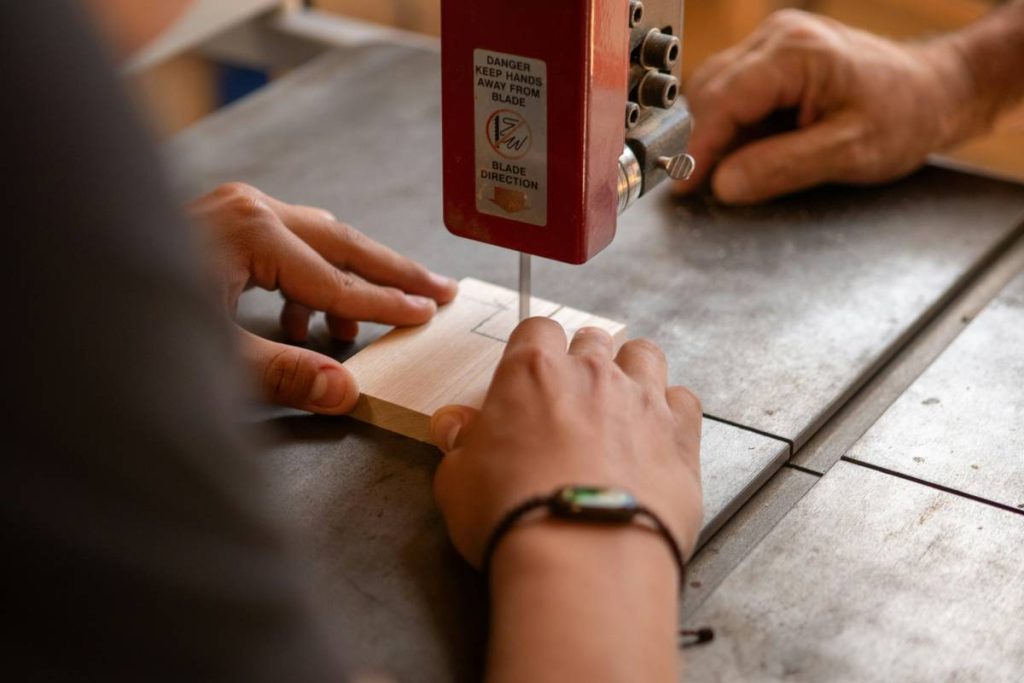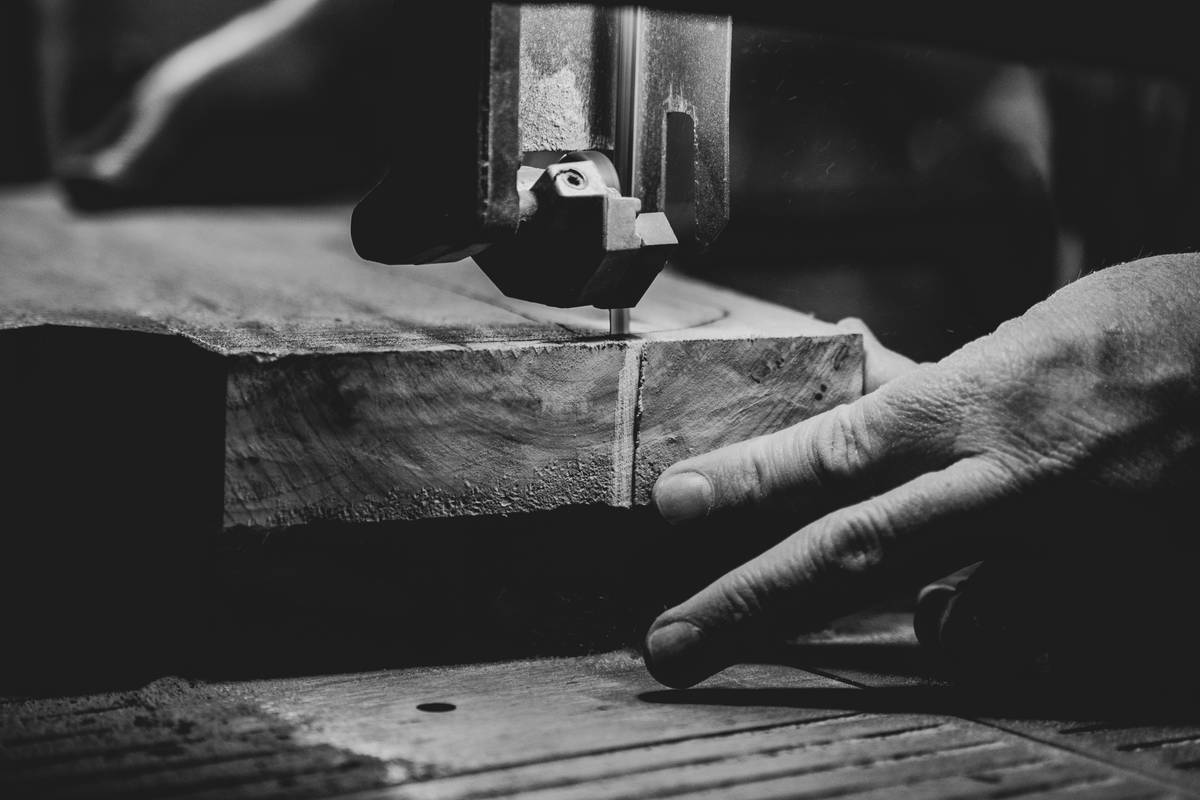
If you’ve ever wrestled with a warped cut or snapped blade mid-project, you know that mastering a band saw isn’t just about flipping a switch—it’s about understanding band saw machine uses inside and out. Whether you’re resawing thick oak slabs or crafting intricate scrollwork, the wrong technique can waste materials, damage tools, or worse, compromise safety. In this guide, we’ll unpack seven practical applications of band saws in home workshops, reveal real-world mistakes (including one I made early on), and share expert-backed best practices so you get clean, precise cuts every time.
Table of Contents
- Why Band Saws Matter in Home Improvement
- Step-by-Step Guide to Common Band Saw Tasks
- Essential Best Practices for Precision & Safety
- Real-World Examples That Prove Their Value
- Frequently Asked Questions
Key Takeaways
- Band saws excel at curved cuts, resawing, and cutting irregular shapes—tasks table saws struggle with.
- Blade selection and tension are critical; using the wrong TPI (teeth per inch) ruins both finish and accuracy.
- A common rookie error: forcing material too fast, which leads to blade drift or breakage.
- Regular maintenance—including wheel alignment and guide adjustment—extends tool life significantly.
- Always prioritize dust extraction; fine wood particles pose serious respiratory risks over time.
Why Band Saws Matter in Home Improvement
In the world of home woodworking, versatility is king. While table saws dominate straight ripping, they falter when curves, tapers, or thick stock enter the picture. That’s where understanding band saw machine uses becomes a game-changer. From salvaging reclaimed lumber to crafting custom furniture components, band saws handle tasks no other stationary tool can match efficiently.

I learned this the hard way during my first serious project: attempting to cut a cabriole leg for a chair. Confident in my table saw skills, I tried adapting it with a jig—only to crack the piece halfway through. Switching to a 14-inch band saw with a 3 TPI blade transformed the job from frustrating to fluid. The continuous loop blade followed complex contours without binding, and I saved both time and expensive walnut stock.
According to the Occupational Safety and Health Administration (OSHA), improper use of power tools like band saws contributes to thousands of workshop injuries annually—many preventable with proper training and equipment knowledge (OSHA Power Tools Guidelines). Knowing your tool’s capabilities isn’t just about performance; it’s a safety imperative.
Step-by-Step Guide to Common Band Saw Tasks
Selecting the Right Blade
Match blade width and tooth count to your task: narrow blades (1/8”–1/4”) for tight curves, wide blades (1/2”+) for straight resawing. For general-purpose work, a 3/8” x 6 TPI bi-metal blade offers balance.
Setting Proper Tension
Use the manufacturer’s gauge or the “flutter test”—pluck the blade like a guitar string. It should hum cleanly, not wobble. Under-tensioned blades wander; over-tensioned ones snap prematurely.
Making Accurate Cuts
Use fence guides for resawing or circle jigs for round cuts. Always feed material steadily—never push aggressively. Let the blade do the work.
Essential Best Practices for Precision & Safety
- Wear eye and hearing protection—blade fragments and noise exposure are real hazards.
- Keep the work area clean. Sawdust buildup affects blade tracking and increases fire risk.
- Check wheel alignment monthly. Misaligned wheels cause uneven wear and poor cuts.
- Never reach across the blade while it’s running. Wait until it stops completely.
Here’s a terrible tip I once heard: “Just crank the tension knob all the way—you’ll never slip!” Wrong. Excessive tension fatigues the welds and stresses the motor. Stick to specs.
And while I’m ranting: why do some manufacturers still ship band saws with flimsy plastic blade guards? A proper metal guard that retracts smoothly is non-negotiable. Safety shouldn’t be an afterthought.
Real-World Examples That Prove Their Value
A survey by the Woodworking Network found that 78% of professional cabinetmakers use band saws weekly for tasks ranging from veneer slicing to template duplication. One user reported reducing material waste by 35% after switching from hand coping saws to precision band saw techniques for intricate marquetry.
At Golding Products, our clients frequently leverage band saws for architectural millwork—think curved stair parts or arched door frames. One contractor in Bristol used a 20-inch bandsaw to resaw 8/4 maple into matching bookmatched panels for a luxury kitchen, achieving consistency impossible with handheld tools. Learn more about our team’s background on our About Us page.
Frequently Asked Questions
What materials can a band saw cut besides wood?
Most wood-focused band saws can also cut non-ferrous metals (like aluminum or brass) with the correct blade speed and tooth configuration—but always verify your machine’s specifications first.
How often should I replace the band saw blade?
Replace if you notice excessive heat, rough finishes, or visible tooth damage. For hobbyists, that’s typically every 20–40 hours of use.
Can I use a band saw for ripping boards lengthwise?
Yes—this is called resawing. Use a wide blade (1/2” or more), slow feed rate, and a tall fence to stabilize the workpiece.
Is dust collection necessary for small workshops?
Absolutely. Fine particulate exposure accumulates over time. Even small shops benefit from basic extraction—see OSHA guidelines for airborne contaminants.
Why does my cut drift even with a sharp blade?
Likely causes: incorrect blade tension, misaligned guides, or feeding too fast. Check all three before assuming blade fault.
Understanding band saw machine uses transforms you from a casual DIYer into a confident craftsman. With the right setup and respect for the tool’s limits, you’ll unlock possibilities far beyond straight cuts. Ready to upgrade your workshop capabilities? Contact us today for personalized equipment advice. And remember: smooth cuts start with steady hands—and a well-tuned saw. We’re committed to your success and transparency; review our full Privacy Policy for peace of mind.
Curves don’t lie—neither should your cuts.