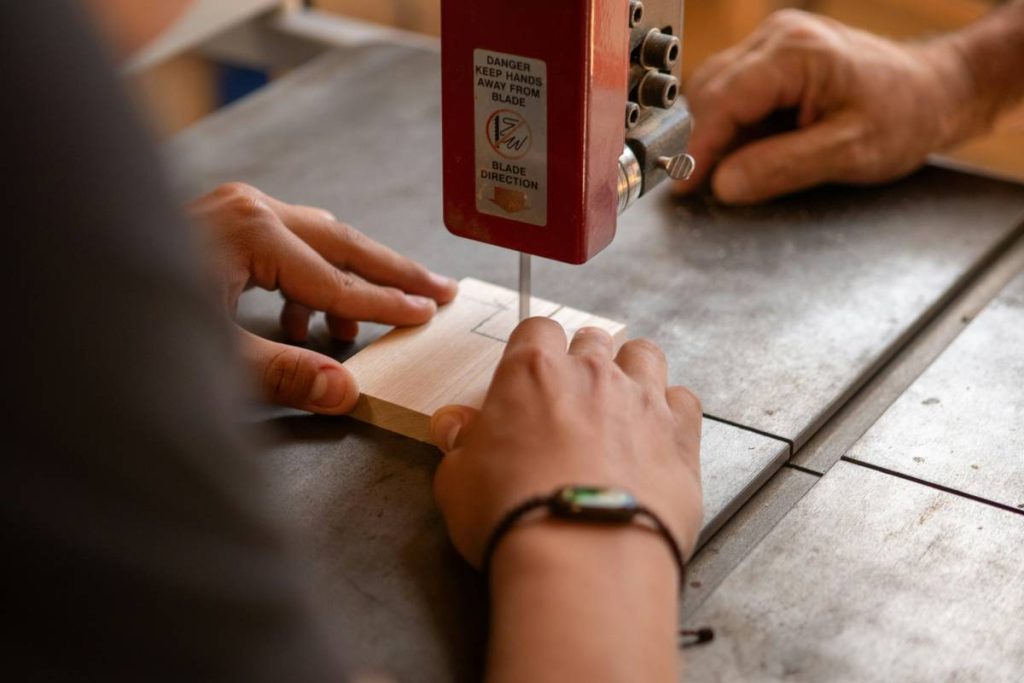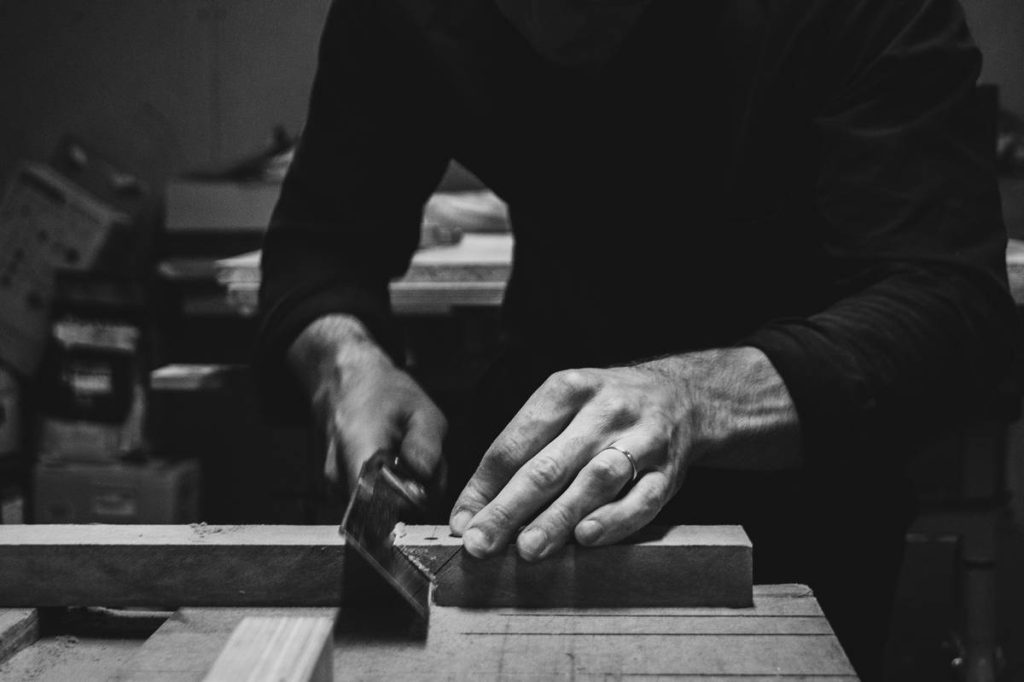
Struggling with jagged curves, wasted material, or inconsistent resawing? You’re not alone. Most woodworkers assume a band saw is just “another saw.” But that mindset burns money—fast. The real function of band saw machine isn’t about cutting wood—it’s about mastering control, efficiency, and creative freedom in one continuous loop.
Why Traditional Saws Fail at Complex Cuts
A table saw rips straight lines beautifully—but throw in a gentle curve or thick stock, and it chokes. Jigsaws? Vibration turns delicate contours into splintered messes. And coping saws? Fine for hobbyists, useless for production work. The core issue? These tools rely on reciprocating motion—back-and-forth aggression that fights grain direction and fatigues blades rapidly.
And here’s the kicker: most shops underutilize their band saw because they’ve never dialed in blade tension or tracking properly. They blame the machine—not their setup.
Mastering the Function of Band Saw Machine: A Practical Workflow
Forget theory. Real-world performance hinges on three overlooked steps:
Selecting the Right Blade for the Task
Blade width dictates minimum radius. Narrow blades (1/8″–1/4″) cut tight curves but wander on straight cuts. Wide blades (1/2″–1″) excel at resawing but can’t handle sharp turns. Tooth pitch matters too—fewer teeth per inch (TPI) clear sawdust faster in thick hardwoods.
Calibrating Tracking and Tension Like a Pro
Most users crank tension until “it feels right.” Wrong. Under-tensioned blades deflect mid-cut. Over-tensioned ones snap or warp wheels. Use the flutter test: spin the wheel by hand; the blade should hum steadily without wobble. For 1/2″ carbon steel blades, aim for ~25–30 psi tension—check your manual, but trust your ears more than gauges.
Optimizing Feed Rate and Support
Push too hard, and you burn the blade. Too slow, and you glaze teeth. Let the saw do the work—apply steady pressure, not brute force. Always use a fence for straight cuts or a pivot pin for circles. Unsupported workpieces vibrate, causing drift and rough surfaces.

| Cutting Task | Recommended Blade Width | Ideal TPI | Feed Pressure |
|---|---|---|---|
| Tight curves (< 2″ radius) | 1/8″ – 1/4″ | 14–24 | Light |
| Straight resawing (6″+ thick) | 1/2″ – 3/4″ | 2–6 | Moderate to firm |
| General-purpose shaping | 3/8″ | 6–10 | Moderate |
The Industry Secret: Band Saws as Thickness Planers in Disguise
Here’s what few admit: a well-tuned band saw with a precision fence can resaw lumber into consistent thicknesses—effectively acting as a rough-dimension planer before final surfacing. Why does this matter? Commercial hardwood often comes in random widths and thicknesses. Instead of losing 1/4″ to a surface planer on both sides, resaw first. You salvage more usable material from expensive stock. The math is simple: 8/4 walnut becomes two near-perfect 7/8″ boards instead of one undersized 1-1/4″. But—and this is critical—you need minimal blade drift. That means ceramic guide blocks, sharp blades, and zero tolerance inserts. Skip these, and you’re just burning sawdust.
Frequently Asked Questions
What is the main function of a band saw?
Its core function is continuous-loop cutting—ideal for curves, resawing, and irregular shapes with minimal waste and smooth finishes.
Can a band saw cut metal?
Only if designed for it. Wood band saws run too fast for metal; specialized metal-cutting models use slower speeds and different blades.
Why does my band saw blade keep slipping off?
Poor tracking, worn tires, or incorrect tension. Check wheel alignment and ensure rubber tires aren’t glazed or cracked.