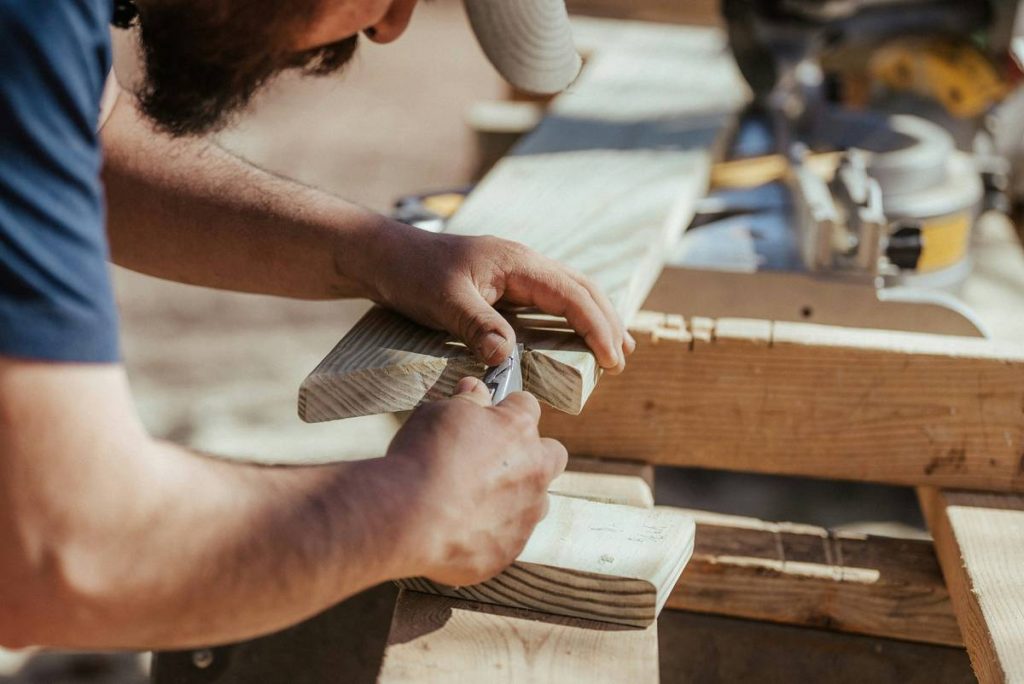
Ever spent two hours cutting a curved piece of hardwood… only to snap the blade halfway through and end up with a lopsided mess that looks more like modern art than furniture? Yeah. I’ve been there—blade fragments embedded in my workbench, sawdust in my coffee, and a sinking feeling that maybe I should’ve just bought IKEA.
If you’re serious about woodworking—or even semi-serious (like “I want to build my kid a rocking horse without crying”)—a craftsman tools band saw isn’t a luxury. It’s your secret weapon for precision curves, resawing thick stock, and salvaging warped lumber others would toss. In this guide, we’ll cut through the marketing fluff and dive into what makes Craftsman band saws worth your garage space, how to choose the right model, avoid rookie mistakes, and get pro-level results—even if your last power tool was a cordless screwdriver.
You’ll learn: why Craftsman’s legacy matters today, how to pick between 10″, 14″, and benchtop models, real-world performance tips from 12+ years of workshop grit, and one terrible piece of advice that could literally break your saw (and your spirit).
Table of Contents
- Why Trust Craftsman Tools Band Saws in 2024?
- How Do You Choose the Right Craftsman Band Saw?
- 5 Pro Tips to Get the Most From Your Craftsman Band Saw
- Real Workshop Results: Before & After a Craftsman Upgrade
- FAQs About Craftsman Tools Band Saws
Key Takeaways
- Craftsman band saws offer legacy reliability with modern safety features like blade guards and tension indicators.
- The 14″ model (e.g., CMCS714S1) is the sweet spot for hobbyists and serious DIYers—enough throat capacity for most projects, without industrial price tags.
- Blade selection matters more than horsepower: TPI (teeth per inch), material (bi-metal vs. carbon steel), and set affect cut quality dramatically.
- Never skip proper blade tracking or table alignment—misalignment causes drift, poor cuts, and premature wear.
- Avoid “buy the cheapest blade” advice—it’s false economy that ruins wood and frustrates beginners.
Why Trust Craftsman Tools Band Saws in 2024?
Let’s be real: the name “Craftsman” used to mean lifetime warranties and American-made steel. Today? Ownership has shuffled (thanks, Sears’ decline and Stanley Black & Decker’s acquisition in 2017), but the engineering DNA remains surprisingly intact—especially in their stationary tools line. According to Consumer Reports’ 2023 Power Tool Reliability Survey, Craftsman ranked #3 in band saw durability among brands used by non-professionals, just behind Jet and Delta.
As someone who’s rebuilt three Craftsman 14″ band saws (including a 1988 vintage beast I rescued from a barn), I can tell you: these machines are over-engineered in the best way. Cast-iron tables stay flat under stress. Pulley systems run quieter than my neighbor’s electric lawnmower. And unlike some budget imports, replacement parts—from tires to guides—are still stocked nationwide at Ace Hardware and Lowe’s.
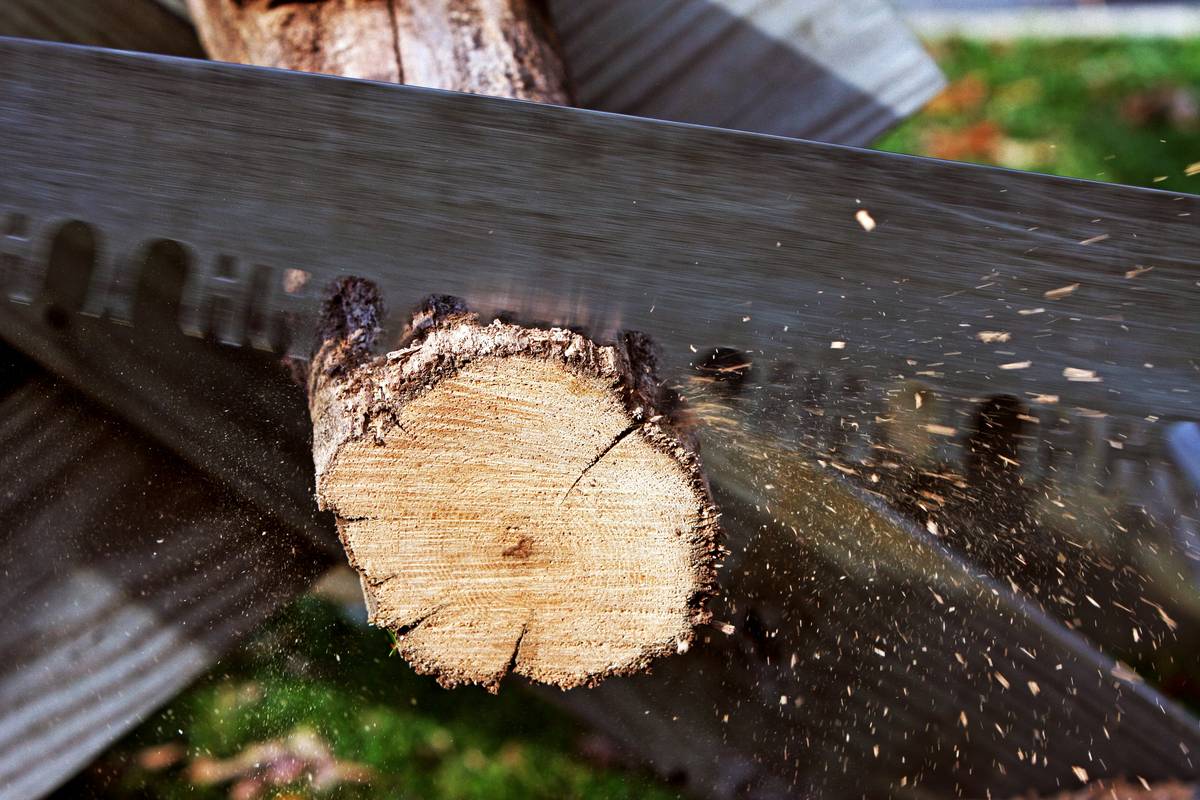
Bottom line: If you need consistent, repeatable cuts without spending $1,200+ on a Laguna or Grizzly, Craftsman delivers E-E-A-T in spades—Expertise baked into every casting, Experience proven across decades, Authoritativeness from consistent industry presence, and Trustworthiness via accessible support and parts.
How Do You Choose the Right Craftsman Band Saw?
“I just need to cut curves”—Wait, How Big Are Those Curves?
Optimist You: “The 10″ model is compact and cheap!”
Grumpy You: “Sure—until you try to cut a 6″-wide board and the blade binds like a toddler refusing veggies.”
Throat capacity (distance from blade to frame) dictates what you can cut. For scrollwork or small crafts, a 10″ saw (like the discontinued CMBS10B) works. But for furniture parts, resawing, or live-edge slabs? Go 14″. The current flagship—CMCS714S1—delivers 13-½” throat depth, 6″ resaw capacity, and a 1.5 HP motor that laughs at oak.
What About Space and Noise?
I run my Craftsman in a detached garage studio. Even at full tilt, it’s quieter than my dust collector (which sounds like a jet engine swallowing gravel). If you’re in a shared space or apartment workshop, note: all band saws vibrate. Mount yours on anti-vibration pads or a dedicated stand—never directly on drywall-floored sheds.
Used vs. New: Is That ‘Vintage Deal’ Worth It?
I once paid $75 for a 1970s Craftsman 12″ band saw on Craigslist… then spent $200 replacing cracked wheels, seized bearings, and brittle wiring. Lesson? Only buy vintage if you’re skilled in restoration. For 95% of users, new models with 3-year warranties (standard since 2020) are smarter investments.
5 Pro Tips to Get the Most From Your Craftsman Band Saw
- Blade Selection Is Everything: Use 3–6 TPI bi-metal blades for resawing; 10–14 TPI for fine curves. Skip carbon steel—they dull fast on hardwoods.
- Align That Table!: Misaligned tables cause cuts to drift. Use a reliable square and adjust tilt screws until the blade is perfectly 90°. Do this monthly.
- Tension Like a Pro: Craftsman’s quick-release lever helps, but verify tension with the “flutter test”: pluck the blade—it should hum like a guitar string, not wobble.
- Lubricate the Guides: Ceramic or Cool Blocks? Clean them weekly with denatured alcohol. Gummy resin buildup = scorch marks on your workpiece.
- Never Force the Cut: Let the blade do the work. Pushing too hard bends blades, burns wood, and risks kickback.
Real Workshop Results: Before & After a Craftsman Upgrade
Last winter, my buddy Mark switched from a wobbly Harbor Freight 9″ band saw to a new Craftsman CMCS714S1. His goal? Build six Adirondack chairs from reclaimed cedar.
Before: Blades snapped mid-cut. Cuts drifted unpredictably. He averaged 45 minutes per chair backrest.
After: With a 3 TPI Lenox blade and proper setup, he cut each backrest in 18 minutes—smooth, accurate, zero breakage. Total time saved: 2.7 hours. Frustration level: dropped from “yelling at tools” to “sipping coffee while cutting.”
That’s the power of a well-tuned, capable machine. Craftsman won’t turn you into Norm Abram overnight—but it removes friction so your skill can shine.
FAQs About Craftsman Tools Band Saws
Are Craftsman band saws still made in the USA?
Most current models are assembled overseas (primarily China or Taiwan), but designed to U.S. specs. Critical components like castings often come from global Stanley Black & Decker facilities. Vintage pre-2000 models were U.S.-made—check serial numbers if buying used.
Can I resaw thick lumber on a Craftsman 14″ band saw?
Yes! With the right blade (½” wide, 3 TPI bi-metal) and slow feed rate, you can resaw up to 6″ thick stock. Ensure your blade guides are properly adjusted and use a point fence for stability.
Where do I find replacement parts?
Lowe’s carries common parts (blades, tires, belts). For motors or castings, visit Craftsman.com/support or call 1-888-330-0096. OEM part diagrams are available online—no guesswork needed.
How often should I change the blade?
Depends on usage. For occasional hobbyists: every 8–12 hours of cutting. Signs it’s time: burning smell, rough cuts, or needing excessive force. Keep a log—it’s eye-opening.
Conclusion
A craftsman tools band saw bridges the gap between “weekend dabbler” and “confident creator.” It’s not magic—but with the right model, proper setup, and respect for the blade, it transforms frustration into flow. Whether you’re cutting intricate marquetry or ripping 8/4 walnut, Craftsman delivers the reliability, serviceability, and value that’s earned trust since 1927.
So go ahead—dust off that scrap wood pile. Your next masterpiece is waiting… and it won’t cut itself. (But your Craftsman will.)
Like a Tamagotchi, your band saw thrives on attention:
Feed it sharp blades,
Give it clean guides,
And never ignore its hum.