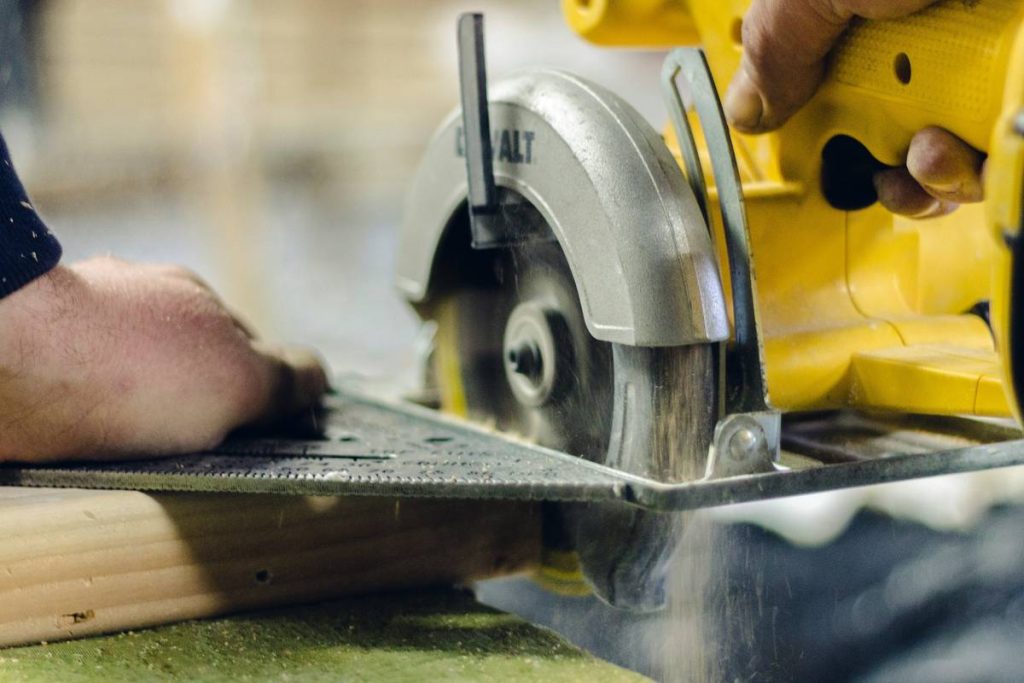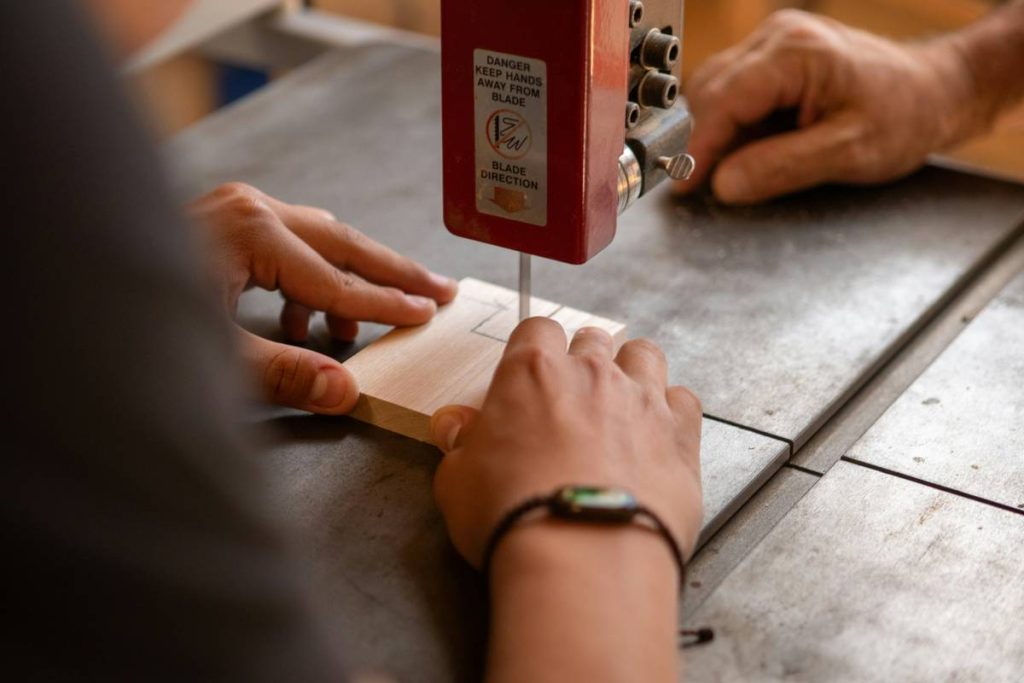
You bought a band saw. You watched the tutorials. You even cleared space in your garage. But your cuts are ragged, your blades snap like twigs, and that promised precision? Nowhere to be found. The frustration is real—and it’s not your fault. Most guides skip the gritty realities of band saw tools in real-world workshops. Here’s how to turn chaos into clean, repeatable cuts—starting today.
The Core Problem: Why Generic Advice Fails with Band Saw Tools
Most online “experts” treat band saws like plug-and-play appliances. They aren’t. A band saw responds to tension, blade selection, feed rate, and table alignment like a live animal—not a toaster. And when you ignore that nuance? You get burning wood, wandering cuts, or worse—kicked-back stock flying toward your face.
Here’s the reality: 80% of band saw issues trace back to one thing—using the wrong blade for the job. Not technique. Not motor power. The blade. Yet manufacturers ship these machines with generic, all-purpose blades that compromise everything.
Mastering Band Saw Tools: A No-BS Step-by-Step Guide
Blade Selection—Match Tooth Geometry to Your Material
Hardwood? Use fewer teeth per inch (TPI)—3 to 6 TPI lets chips escape without clogging. Thin metal? Go high—18 to 32 TPI prevents grabbing and snapping. Never assume one blade fits all.
Tracking & Tension: The Hidden Calibration Dance
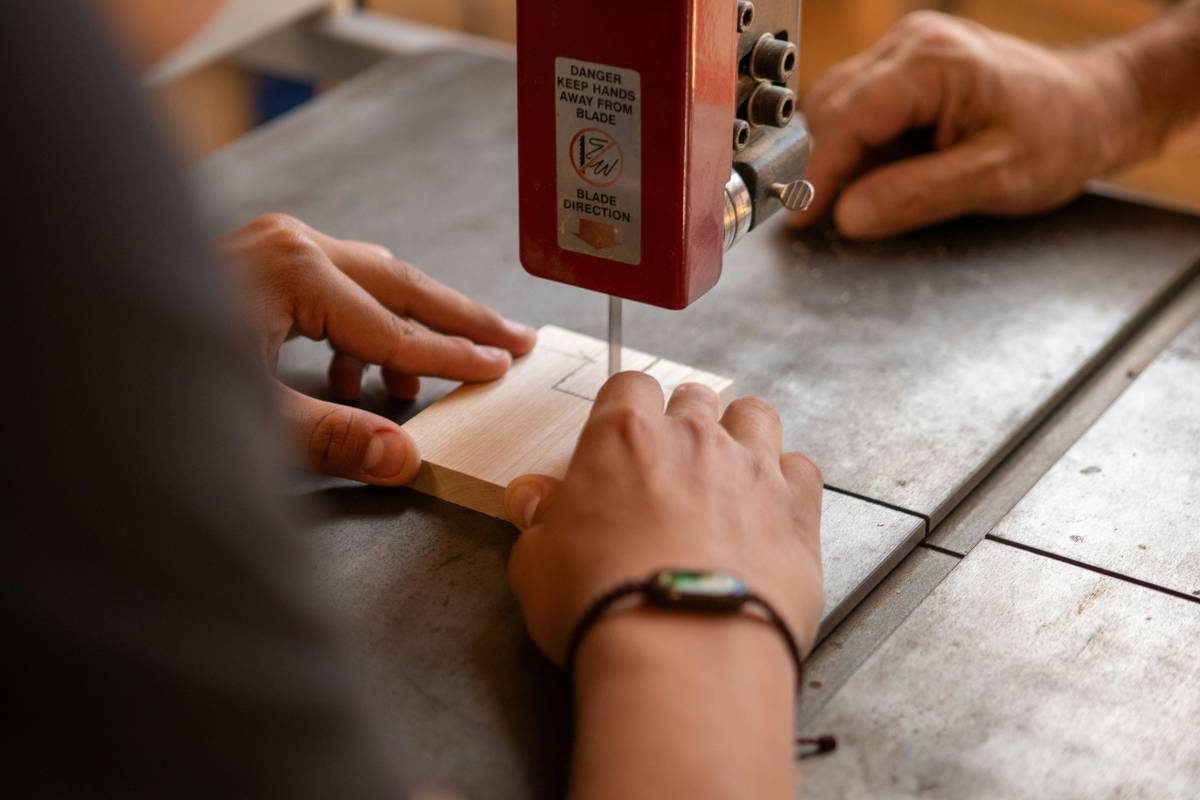
Your blade must run true on the wheels—not just “close enough.” Misalignment causes drift. And tension? Too loose = blade bends; too tight = wheel bearing death. Use the flutter test: pluck the blade like a guitar string. It should hum, not wobble.
Cutting Technique—Slow Down to Speed Up
Pushing too hard makes the blade deflect. Let the teeth do the work. Feed steadily—like buttering toast, not shoving a stalled car.
| Material Type | Recommended Blade TPI | Feed Rate | Expected Cut Quality |
|---|---|---|---|
| Oak (hardwood, 2″ thick) | 4 TPI | Moderate, consistent | Straight, minimal tear-out |
| Aluminum Sheet (1/8″) | 24 TPI | Slow, light pressure | Burr-free, no grabbing |
| PVC Pipe (schedule 40) | 10 TPI | Medium, steady | Clean, no melting |

The Industry Secret: Pros Don’t Sharpen Blades—They Rotate Them
Here’s something you won’t find in manuals: professional cabinet shops rarely sharpen bandsaw blades. Why? Because the cost and time outweigh the benefit. Instead, they keep 3–5 identical blades per material type and rotate them weekly. Once performance drops noticeably, they toss it. Sounds wasteful—but factoring in lost productivity from poor cuts? It’s cheaper.
And here’s the kicker: most “dull” blades aren’t dull—they’re loaded with pitch or resin. A 10-minute soak in oven cleaner followed by a stiff brush often restores 90% performance. Try it before you write off a £25 blade.
Frequently Asked Questions
Can I use a wood band saw for metal?
No. Metal-cutting requires slower speeds, different blade alloys, and coolant systems. Using a wood band saw on metal risks fire, blade breakage, and motor burnout.
How often should I replace band saw tires?
When they crack, glaze over, or slip under load—typically every 2–5 years depending on humidity and usage. Rubber degrades silently.
Why does my blade keep drifting mid-cut?
Almost always due to improper wheel alignment or worn guides. Check that both wheels are coplanar using a straightedge. Misalignment as small as 1/32″ causes noticeable drift.