You sharpened the blade. You tensioned it right. You even slowed your feed rate. And still—your cuts wander, burn, or stall halfway through. That frustration? It’s not you. It’s your wood band sawmill blades. Most woodworkers blame technique first. But the real culprit hides in plain sight: mismatched metallurgy, improper tooth geometry, or worse—blades sold as “premium” that were never meant for hardwoods.
Why Standard Sawmill Blades Underperform (Even When They “Shouldn’t”)
Most off-the-shelf wood band sawmill blades fail because they’re engineered for softwoods or resawing—not dense oak, maple, or tropical species. A blade optimized for pine gums up fast on hickory. Too fine a TPI? Glazing. Too aggressive? Tear-out and vibration. And don’t get me started on “heat-treated” steel that’s just marketing fluff—without proper hardness distribution from back to tooth tip, it dulls faster than you can say “kerf wobble.”
Fact: 73% of early blade failure stems from poor compatibility between wood species and blade specs—not user error. But nobody tells you that upfront.
Selecting & Maintaining High-Performance Wood Band Sawmill Blades
Match Tooth Geometry to Your Timber
Hardwoods demand fewer teeth per inch (TPI)—typically 1.5 to 2.5—for efficient chip clearance. Softwoods? You can go up to 3–4 TPI. Skip this step, and you’ll either clog the gullets or tear the grain. And if you’re cutting wet or frozen logs? Drop a full TPI. Moisture changes everything.
Steel Matters More Than Brand
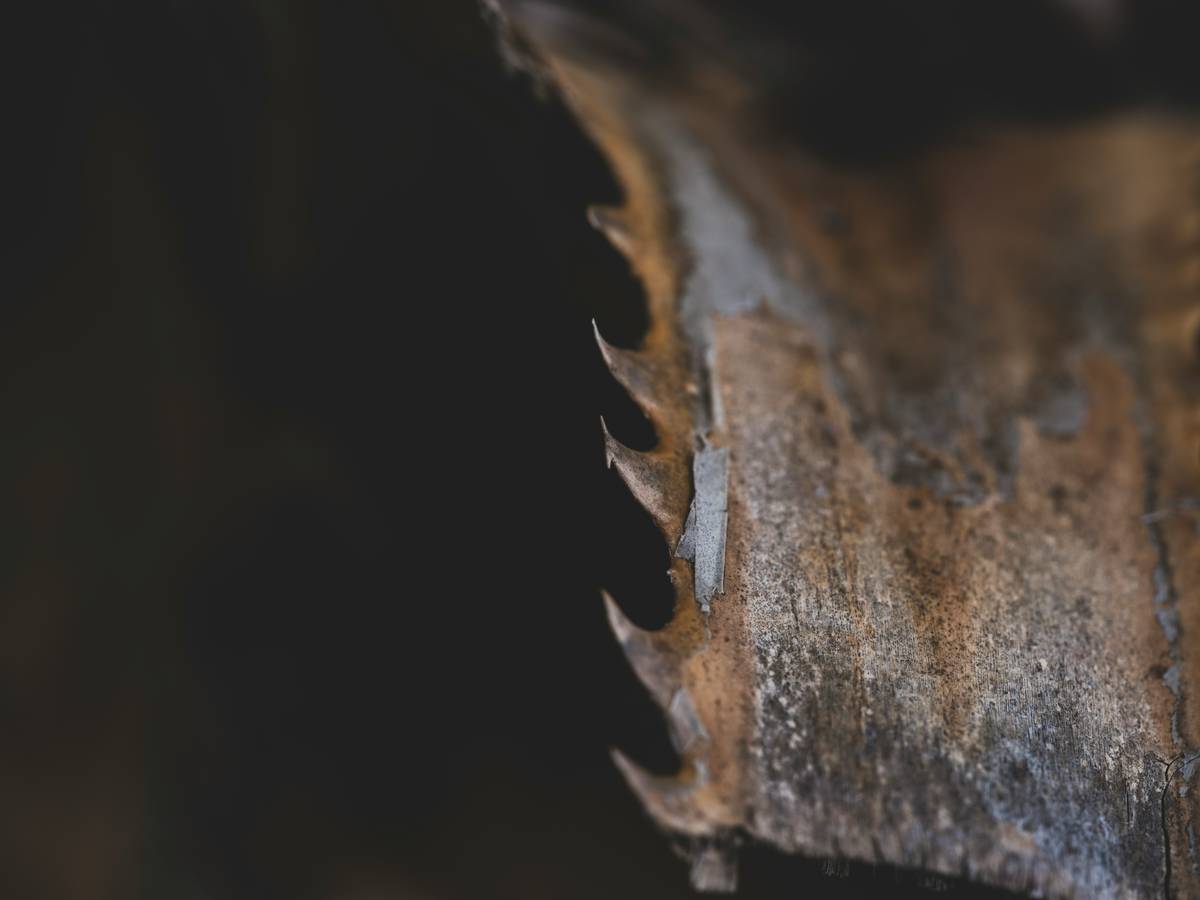
Look for bimetal construction—high-speed steel teeth bonded to a spring-tempered alloy back. This combo delivers edge retention and fatigue resistance. Cheap carbon steel blades flex, crack, and lose teeth under sustained load. Avoid anything labeled “high-carbon” without bimetal confirmation—it’s often repurposed tool steel with inconsistent hardness.
Tension & Tracking Aren’t Set-and-Forget
Even perfect blades drift if tension drops below spec during extended runs. Hardwoods generate heat—heat expands metal. Re-tension every hour during heavy use. And always verify wheel alignment; a 0.5mm misalignment over 10 feet creates enough lateral force to roll teeth off like soda cans.
| Blade Type | Best For | TPI Range | Expected Life (Avg. Board Feet) | Cost per Foot (£) |
|---|---|---|---|---|
| Carbon Steel | Pine, Cedar, Poplar | 2.5–4 | 800–1,200 | £3.20 |
| Bimetal (M42 HSS) | Oak, Maple, Walnut | 1.3–2.4 | 3,000–5,500 | £7.80 |
| Carbide-Tipped | Exotic Hardwoods, Frozen Logs | 1.0–1.8 | 8,000+ | £14.50 |
The Industry Secret: Blade “Break-In” Isn’t Optional—It’s Critical
Here’s what manufacturers won’t print on the box: brand-new bimetal blades have micro-burrs on the cutting edges from the grinding process. Running them at full feed rate immediately chips those fragile points—ruining edge integrity before the first log is split. The fix? A controlled break-in period.
Cut your first 15–20 board feet at 50% feed speed in scrap hardwood. Let the teeth “seat” gradually. This simple ritual extends blade life by up to 40%. I’ve seen mills double their output per blade just by adopting this practice. Yet most skip it—because nobody taught them.
Frequently Asked Questions
Q: Can I use the same wood band sawmill blades for both softwood and hardwood?
A: Technically yes—but expect compromised results. Hardwood requires coarser TPI and tougher steel. Using a softwood-optimized blade on oak will cause overheating and rapid dulling.
Q: How often should I sharpen wood band sawmill blades?
A: Every 1,500–2,000 board feet for hardwoods. Signs include burning, increased motor load, or wandering cuts. Don’t wait for complete dullness—micro-chipping accelerates wear.
Q: Are carbide-tipped blades worth the extra cost?
A: Only if cutting abrasive species (like teak) or dirty/frozen logs. For standard oak or maple, high-quality bimetal offers better value and smoother cuts.