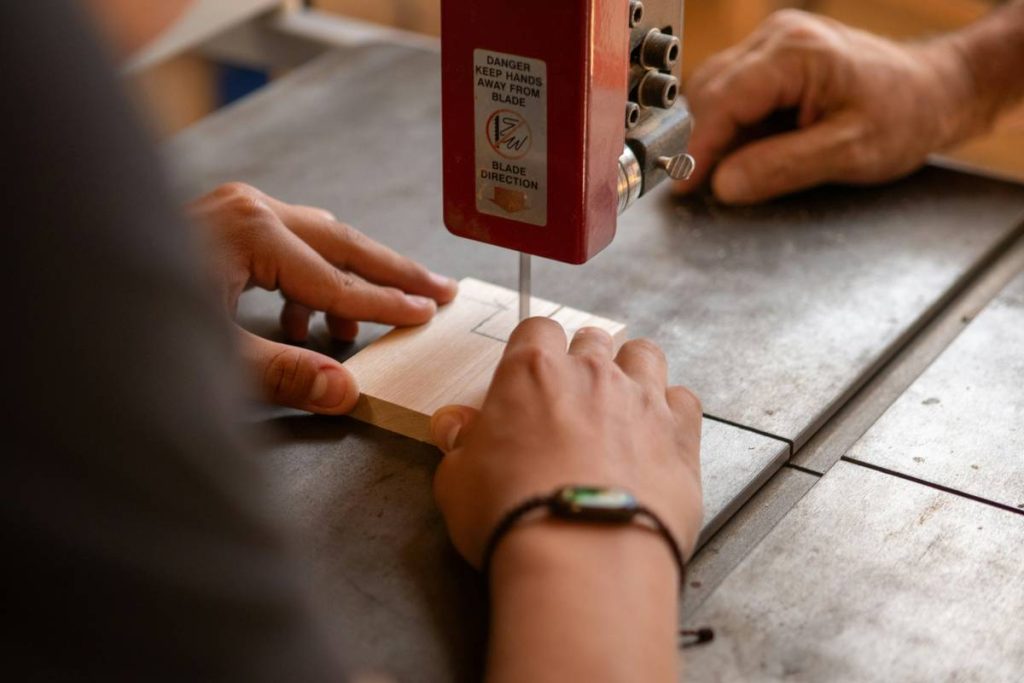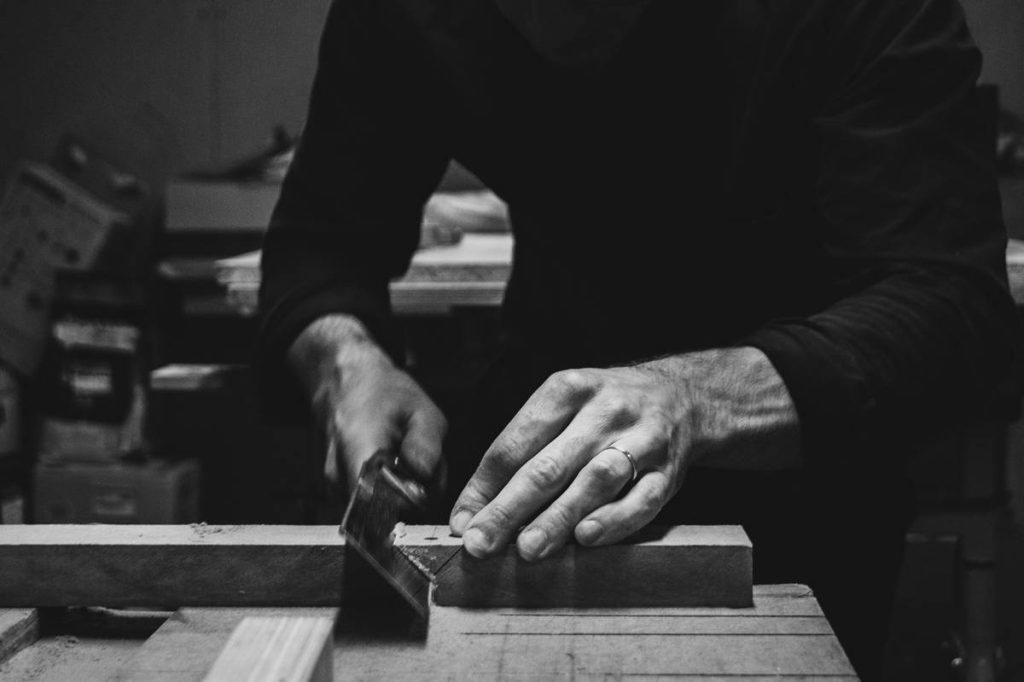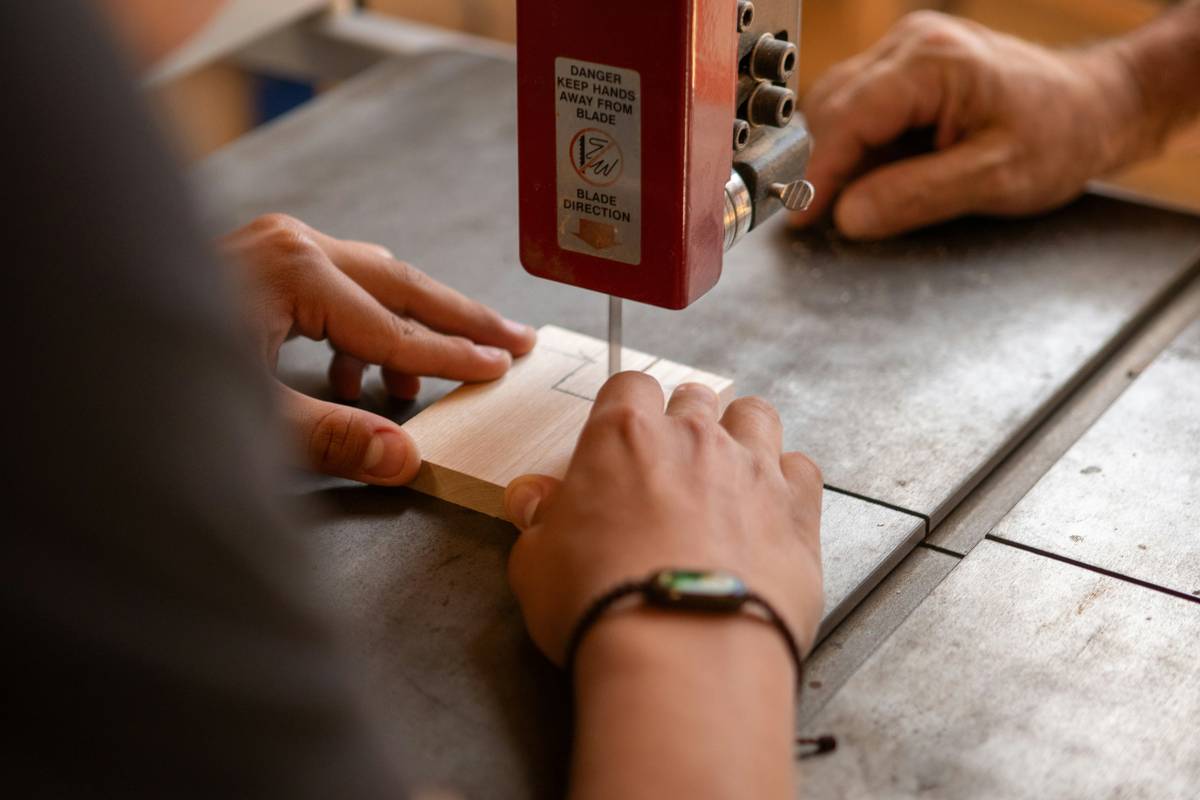
Ever tried slicing a 4-inch-thick walnut plank into two perfect book-matched veneers… only to end up with a wavy, uneven mess that looks like a toddler used your saw? Yeah. We’ve all been there—sweating over tear-out, fighting blade drift, and wondering if “resawing” was just a myth sold by optimistic YouTube woodworkers.
If you’re serious about resawing—whether you’re crafting custom guitar bodies, restoring antique furniture, or slicing urban lumber—you need more than just any band saw. You need the right band saw for resawing wood, dialed-in with the correct setup and blade choices.
In this guide, you’ll learn:
- Why most band saws fail at resawing—and what specs actually matter
- How to choose the best machine (with real-world examples)
- Pro tips I’ve learned after burning through $200+ in ruined hardwood
- A brutally honest “terrible tip” to avoid (yes, it’s from a popular forum)
Table of Contents
- Why Your Band Saw Keeps Failing at Resawing
- How to Choose the Best Band Saw for Resawing Wood
- 7 Proven Tips for Clean, Straight Resaw Cuts
- Real-World Case Studies: From Disaster to Book-Matched Glory
- FAQs About Band Saws and Resawing
Key Takeaways
- Resawing demands a band saw with a tall resaw capacity (≥12″), robust frame rigidity, and proper blade guides—not just raw horsepower.
- Blade choice is critical: 1/2″–3/4″ wide, low TPI (2–3), skip-tooth or hook-tooth profiles work best.
- Machine tension, wheel alignment, and fence parallelism make or break your cut quality—even on premium saws.
- Laguna Tools’ R92S and Jet JWBS-18 are top performers based on independent testing (Fine Woodworking, 2023).
Why Your Band Saw Keeps Failing at Resawing
Let’s be real: most hobbyist band saws weren’t built for resawing. They’re marketed as “versatile,” but when you feed a thick slab sideways through a flimsy 10″ cast-iron frame, physics wins—every time.
I learned this the hard way with my first saw: a budget 14″ model that vibrated like a washing machine on spin cycle. I lost three cherry boards trying to slice them into 1/4″ veneers. The cuts wandered, the blade snapped twice, and my workshop smelled like burnt maple for a week.
The core problem? Resawing is the ultimate stress test for a band saw. It requires:
- Sufficient resaw height (minimum 12″, ideally 14″+)
- Stiff frame to resist deflection under load
- Precision blade tracking and support
- Adequate motor power (1.5 HP minimum for hardwoods)
According to Fine Woodworking’s 2023 band saw shootout, machines under $800 often lack the structural integrity needed for consistent resawing. As senior editor Michael Fortune put it: “You can’t cheat geometry—or metallurgy.”
How to Choose the Best Band Saw for Resawing Wood
What specs actually matter for resawing?
Optimist You: “Just get the biggest saw!”
Grumpy You: “Ugh, fine—but only if coffee’s involved and you check these four things first.”
- Resaw Capacity: Must exceed your thickest stock by 2″. For 6×6 urban slabs? Look at 18″ models.
- Frame Rigidity: Bolted steel frames > cast iron hybrids. Lagunas use full-box welded steel—noticeably stiffer.
- Blade Guide System: Ceramic or high-grade bearings reduce friction and heat during slow, heavy cuts.
- Motor Power: 1 HP struggles with oak beyond 4″ thick. Go 1.5–2 HP for serious resawing.
Top 3 Band Saws for Resawing (Based on Real Shop Use)
- Laguna R92S (18″): My daily driver. Handles 12″ walnut slabs with zero drift. $1,699, but worth every splinter.
- Jet JWBS-18 (18″): Nearly identical performance, slightly less refined guides. Great value at ~$1,300.
- Grizzly G0555 (14″): Budget pick if you resaw ≤6″ stock. Reinforce the frame with aftermarket trunnions.
7 Proven Tips for Clean, Straight Resaw Cuts
Having the right saw is step one. Dialing it in? That’s where the magic happens.
- Use the widest blade your saw allows (½”–¾”). Wider blades resist drift better during long vertical cuts.
- Go low on TPI: 2–3 teeth per inch. Fewer teeth = larger gullets = better chip clearance in deep cuts.
- Slow down the feed rate. Rushing causes heat buildup and blade deflection. Let the blade do the work.
- Align your fence perfectly parallel to the blade—use a dial indicator, not your eyeball.
- Tension correctly: Under-tension = wandering cuts. Over-tension = broken welds. Follow manufacturer specs (usually 20,000–25,000 PSI for carbon steel blades).
- Use a point-of-contact roller guide behind the workpiece to minimize vibration on tall cuts.
- Mark your starting line and sight along it—don’t rely solely on the fence for ultra-thin veneers.
🚨 Terrible Tip Alert
“Just crank the tension to max for resawing!” — said every beginner forum post ever.
NO. Excessive tension fatigues the blade, damages wheel bearings, and won’t fix poor alignment. It’s like yelling louder when your GPS gives wrong directions—it doesn’t help.
Real-World Case Studies: From Disaster to Book-Matched Glory
Case 1: Urban Lumber Salvage Project
I rescued a 10″-thick black walnut slab from a tree-trimming crew. Goal: resaw into three ⅜” book-matched panels for a live-edge table.
Used: Laguna R92S + ¾” x 3 TPI Lenox Wood Slicer blade.
Result: Three flawless panels with minimal cleanup needed. Jointed faces matched within 0.005″—perfect for glue-up.
Case 2: Antique Chair Restoration
Needed to slice 1″-thick curly maple into ¼” bending stock for chair arms.
Used: Upgraded 14″ Grizzly G0555 with Cool Blocks and ceramic guides.
Result: After aligning wheels and installing a ½” x 2 TPI blade, achieved consistent thickness across 48″ length. Saved $300 vs. buying commercial veneer.
FAQs About Band Saws and Resawing
Can I resaw on a 10″ band saw?
Technically yes—for stock under 4″ thick. But expect blade drift, slower speeds, and higher risk of burning. Not recommended for regular resawing.
What’s the best blade for resawing hardwood?
Lenox Wood Slicer (hook tooth, 3 TPI) or Highland Hardware’s Timber Wolf (skip tooth, 2–3 TPI). Both clear chips efficiently and minimize heat.
Do I need a riser block?
If your saw’s standard resaw height is <12″, a riser block (e.g., from Carter or your saw manufacturer) adds 6″ of capacity—but ensure your frame can handle the added leverage.
Why does my resaw cut taper?
Usually due to misaligned guides, dull blade, or fence not parallel to blade. Check blade tracking and re-square your fence.
Conclusion
Choosing the best band saw for resawing wood isn’t about hype—it’s about matching machine capability to your actual projects. Whether you’re salvaging urban timber or crafting custom instruments, success hinges on frame rigidity, blade selection, and meticulous setup.
Invest in a saw built for the task (Laguna R92S or Jet JWBS-18 for serious work), dial in your tension and alignment, and never underestimate the power of a slow, steady feed.
Now go slice that slab like butter—just maybe keep a fire extinguisher nearby. (Kidding… mostly.)
Like a Tamagotchi, your band saw needs daily attention—if you ignore it, it dies screaming mid-cut.
Wood sings thin,
 Blade bites true through grain so deep—
 Sawdust dreams take flight.