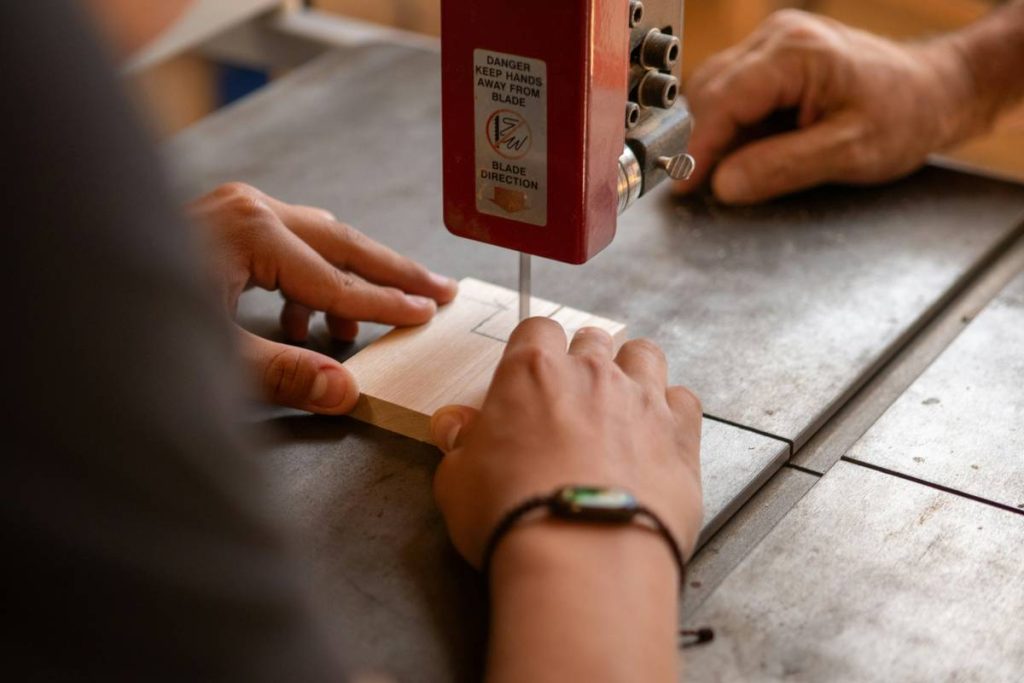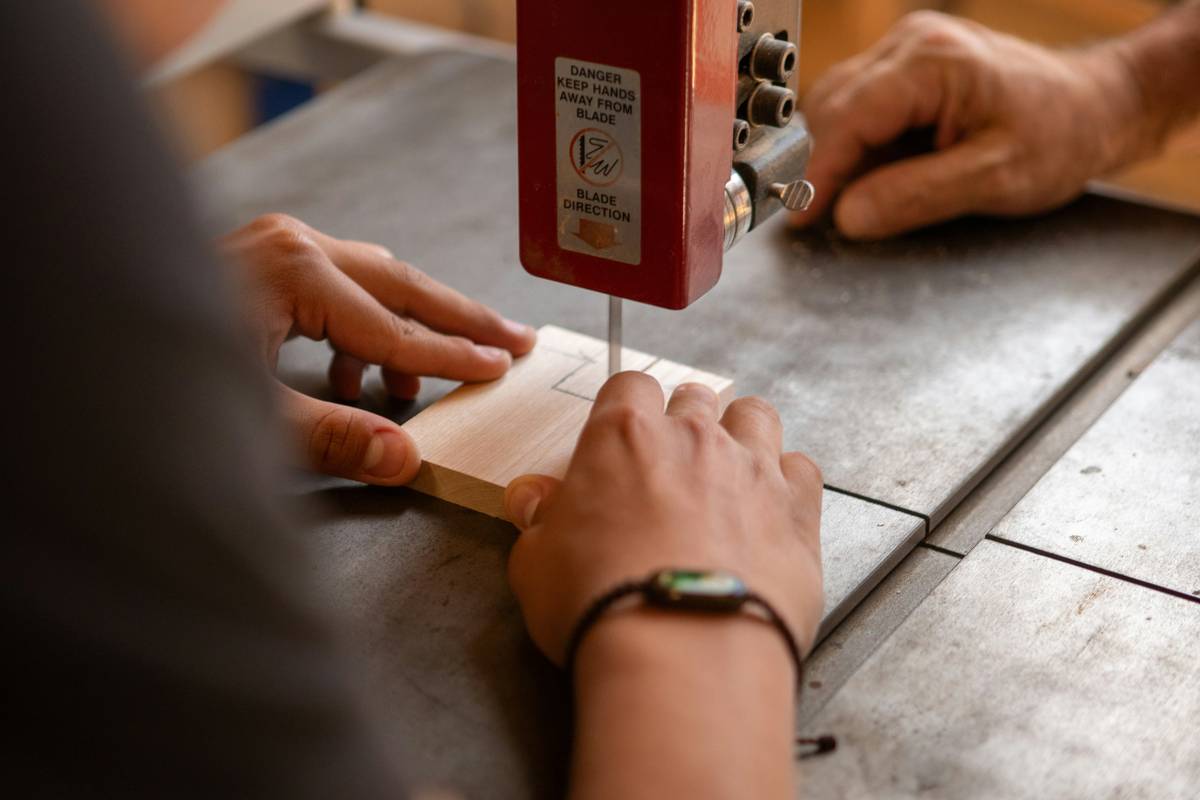
Most woodworkers waste hours wrestling with inaccurate cuts, splintered edges, and inefficient tool setups—only to blame their skill. But what if the real bottleneck isn’t you? It’s your saw. Enter the woodworking equipment band saw wood machine: a game-changer that delivers clean curves, straight resaws, and minimal waste—if you know how to wield it right.
Why Your Current Setup Is Failing You
Table saws can’t handle tight curves. Jigsaws chatter like nervous novices. Hand saws? Exhausting—and inconsistent. The truth is, without a dedicated band saw, you’re forcing square tools into round holes. Literally. And every compromised cut chips away at your time, material, and confidence.
You don’t need more brute force. You need intelligent precision. A true woodworking equipment band saw wood machine adapts to grain direction, slices through thick stock effortlessly, and wastes less than 1/8″ per pass. Yet most shops treat it as an afterthought—until they lose a prized slab to tear-out or misalignment.
Mastering Your Band Saw: A No-BS Step-by-Step Guide
Forget vague tutorials. Here’s exactly how to transform your band saw from a dusty corner ornament into your most trusted ally.
Blade Selection: Not All Teeth Are Equal
Choosing the wrong blade ruins everything. For resawing hardwoods? Go with 3–4 TPI (teeth per inch), hook-tooth profile. Need intricate scrollwork? 14–18 TPI skip-tooth blades reduce drift and heat buildup. And never—ever—use a dull blade “just for one more cut.” It strains the motor, distorts alignment, and murders your workpiece.
Tension & Tracking: The Invisible Levers
Too loose? Blade wanders. Too tight? Bearings scream, frames warp. Find the sweet spot: crank tension until the blade deflects ~1/4″ under firm thumb pressure. Then adjust tracking so the blade rides centered on the upper wheel—no rubbing, no wobble. Do this before every major session.
Guide Block Alignment: Where Pros Separate From Amateurs
Your guide blocks must kiss the blade—literally. A business card should slide between them with slight drag. Misaligned guides cause harmonic vibration, premature wear, and crooked cuts. Set them while the blade is spinning at low speed. Feel for even clearance on both sides.
| Task | Standard Tool Approach | Band Saw Advantage | Time Saved Per Project |
|---|---|---|---|
| Resawing 8/4 Walnut | Hand saw + clamps + hours of sweat | Clean 1/8″ kerf in 90 seconds | 2–3 hours |
| Cutting Complex Curves | Jigsaw with constant repositioning | Smooth, continuous motion on wide table | 45+ minutes |
| Reclaiming Scrap | Disk sander or discard | Precise re-milling into usable strips | N/A — turns waste into profit |
Feed Rate: Slow Isn’t Safe—Controlled Is
Rushing causes binding. Dragging invites burning. Let the blade do the work. Push steadily but lightly—like guiding a hot knife through butter. If smoke appears, you’re feeding too slow. If the blade stalls, ease off pressure, not speed.
The Industry Secret No One Talks About: Resaw Capacity Is a Lie
Manufacturers advertise “12-inch resaw height.” Sounds impressive—until you realize that number assumes perfect alignment, ideal wood, and zero deflection. In reality? Most stock machines max out cleanly at 8–9 inches before blade drift compromises accuracy. Here’s the fix: upgrade to a 2HP+ motor AND use a carbide-tipped blade with reinforced backing. Suddenly, that “12-inch” claim becomes usable. But—and this is critical—you must also reinforce your frame with aftermarket trunnions or cast-iron inserts. Otherwise, vibration eats precision for breakfast. This tweak alone separates weekend warriors from production shops.
Frequently Asked Questions
Can a band saw replace a table saw?
No. They’re complementary. Use the band saw for curves, thick stock, and irregular shapes. Keep the table saw for dead-straight, high-speed rip cuts. Trying to force one tool to do both sacrifices safety and quality.
How often should I change my band saw blade?
When cut quality drops—not by hours logged. Signs: increased feed pressure needed, visible tooth wear, or wandering cuts. For daily users, that’s every 20–40 board feet of hard maple or equivalent density.
Is dust collection necessary on a band saw?
Absolutely. Fine sawdust infiltrates bearings and guide blocks, accelerating wear. Plus, airborne particles near the motor pose fire risks. Even basic shop-vac hookup beats nothing.