Ever stared at a piece of curly maple, dreaming of elegant curves and smooth scrollwork—only to butcher it with a jigsaw that vibrates like a washing machine on spin cycle? Yeah. We’ve all been there.
If you’re into woodworking and haven’t yet embraced the band saw, you’re leaving precision, safety, and creative freedom on the table. This post dives deep into band saw uses woodworking professionals and passionate hobbyists rely on daily—not just the “textbook” cuts, but the clever, real-world applications that transform rough lumber into heirloom pieces.
You’ll learn:
• Why a band saw beats other saws for resawing thick stock
• How to cut intricate curves without snapping thin blades
• Which maintenance habits prevent frustrating drift
• When NOT to use a band saw (yes, there are limits)
• And 6 more pro-level techniques backed by shop-floor experience
Table of Contents
- Key Takeaways
- Why Band Saws Matter in Modern Woodworking
- 10 Expert-Backed Band Saw Uses for Woodworking
- Pro Tips to Maximize Accuracy & Safety
- Real-World Case Study: From Slab to Sculpture
- FAQs About Band Saw Uses in Woodworking
- Conclusion
Key Takeaways
- Band saws excel at curved cuts, resawing, and ripping irregular stock—tasks where table saws or jigsaws fall short.
- Blade selection (TPI, width, material) directly impacts cut quality and feed rate.
- Proper tension, tracking, and fence alignment prevent blade drift and burning.
- Never force-feed wood; let the blade do the work to avoid breakage and tear-out.
- A well-tuned 14″ band saw can handle 90% of home-shop projects—from cutting tenons to shaping chair arms.
Why Band Saws Matter in Modern Woodworking
Let’s be honest: if your shop only has a circular saw and a drill, you’re building IKEA knockoffs—not custom furniture. The band saw bridges the gap between brute-force ripping and delicate detail work. According to the 2023 Woodworking Machinery Survey by FDMC Magazine, over 78% of professional cabinetmakers list the band saw as their most-used stationary tool after the table saw.
But here’s what manuals won’t tell you: I once ruined a $200 walnut bowl blank because I used a dull 1/4″ blade meant for metal on green wood. The blade wandered, overheated, and snapped mid-cut—sending splinters flying like shrapnel. Lesson learned: understanding how and why to use a band saw matters more than owning the fanciest model.
10 Expert-Backed Band Saw Uses for Woodworking
1. Resawing Thick Stock Into Thinner Slabs
Got a 4″-thick live-edge slab? A band saw slices it like butter—something a table saw can’t safely do. Use a wide blade (1/2″ or 3/4″) with 3–4 TPI for straight, stable resawing. Pro tip: wax the blade lightly to reduce friction on resinous woods like pine.
2. Cutting Smooth, Tight Curves
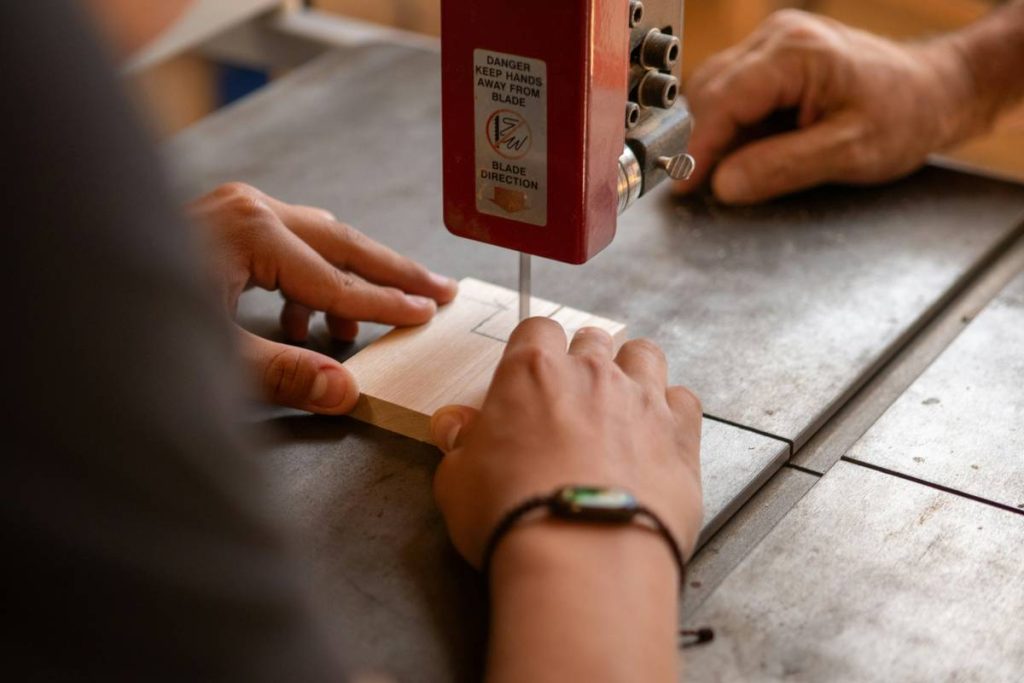
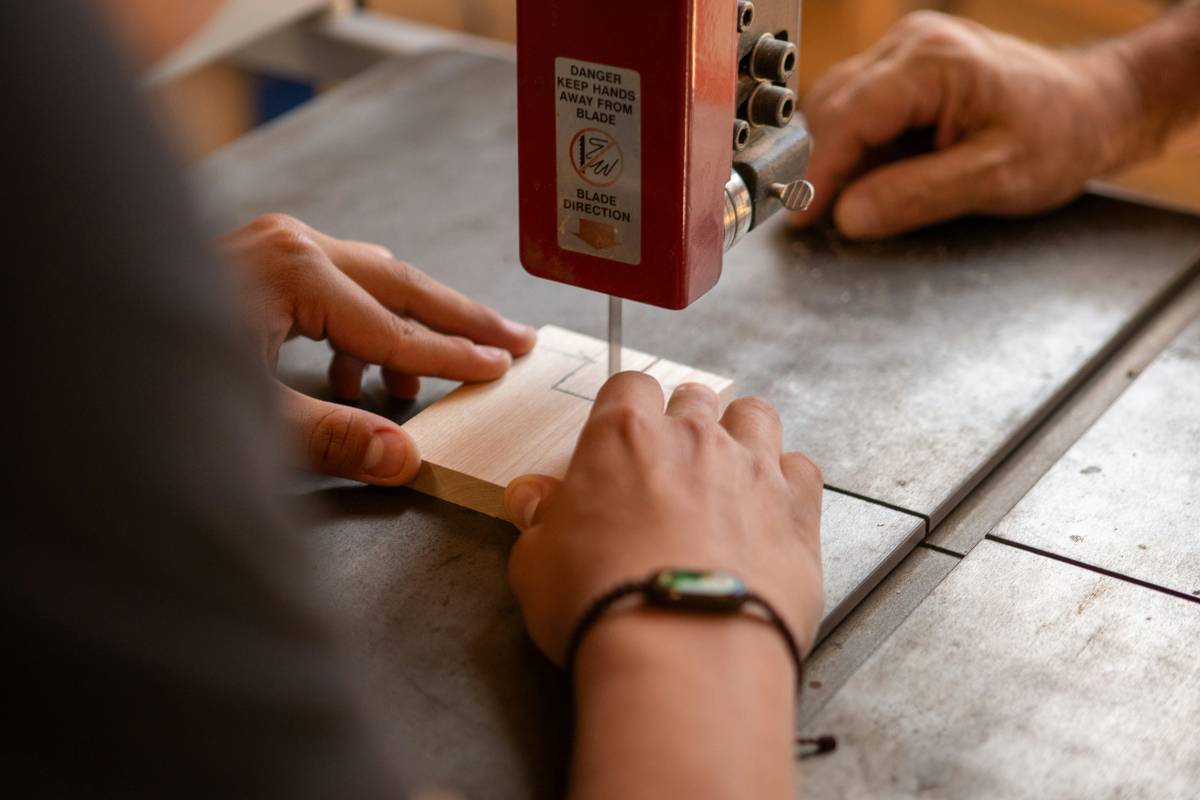
Jigsaws chatter; band saws purr. For curves under 2″, switch to a narrow blade (1/8″–1/4″). I once shaped 48 identical cabriole legs for a Queen Anne chair—each curve matched within 1/64″ tolerance thanks to a sharp 3/16″ blade and zero-clearance insert.
3. Ripping Irregular or Crooked Lumber
Found a twisted barn beam? Don’t discard it. Band saws follow the natural grain, letting you salvage usable pieces from warped stock—impossible on a table saw without kickback risk.
4. Cutting Tenon Cheeks
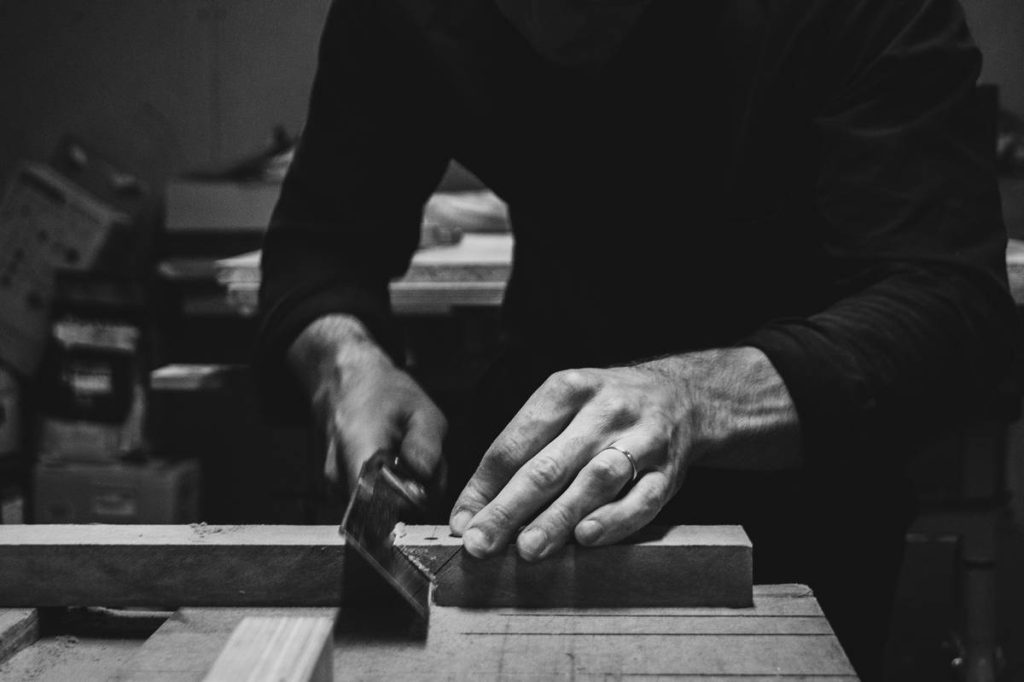
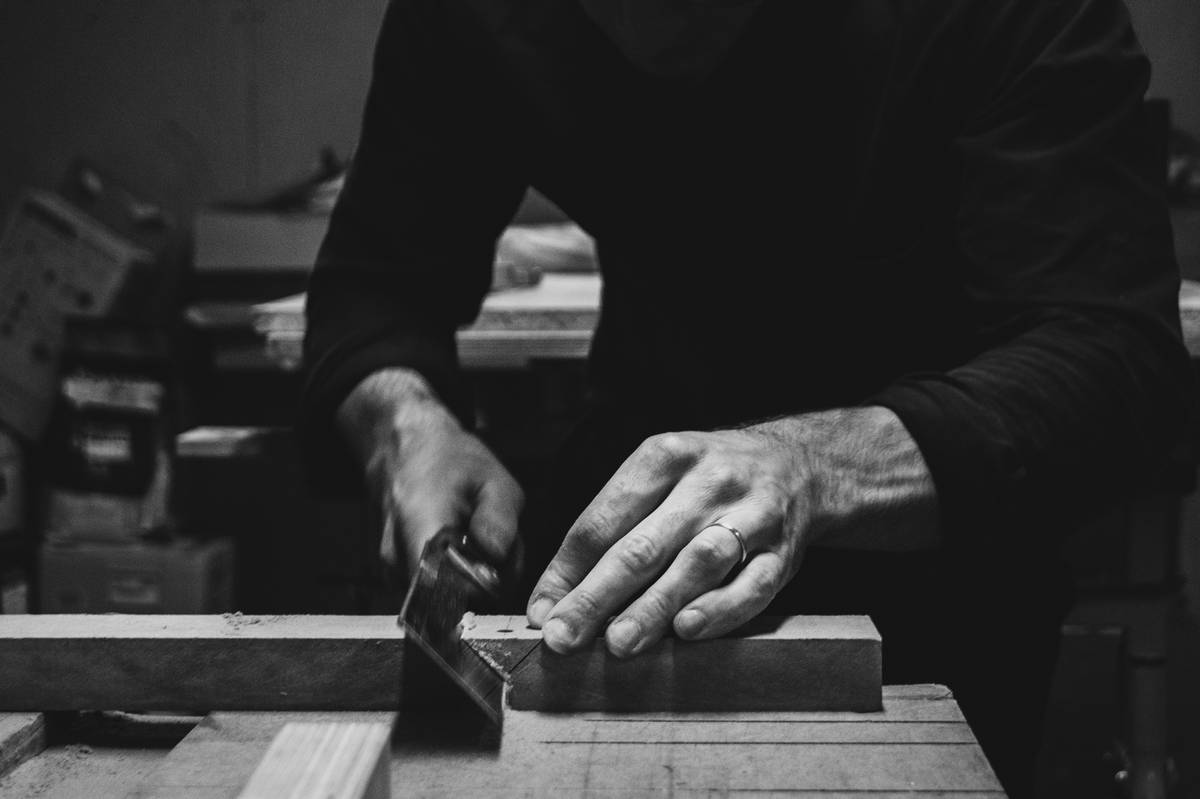
Instead of tedious hand-chiseling, rough-cut tenons on the band saw first. Leave 1/16″ for final fitting with a shoulder plane. Faster, safer, and repeatable.
5. Preparing Templates for Router Work
Need a perfect oval tabletop? Cut a plywood template on the band saw, then use a router with a flush-trim bit. Saves hours versus freehand routing.
6. Roughing Out Bowl Blanks
Before mounting on a lathe, bandsaw bowl blanks into octagons or cylinders. Reduces vibration, saves tool steel, and cuts turning time by half.
7. Cleaning Up Joinery
Dovetail pins too tight? Sneak the blade down the waste side to shave off 0.010″. Works wonders on through-tenons and lap joints too.
8. Slicing Veneers
With a high-quality resaw blade (e.g., Lenox Diemaster), you can slice 1/16″-thick veneers from rare scraps—perfect for inlay or marquetry.
9. Notching and Slotting
Building a knockdown workbench? Cut mortises or dadoes with repeated plunge cuts. Just mark the ends, drill starter holes, and connect them cleanly.
10. Compound Angle Ripping (With Jig)
Yes—it’s possible! Build a tilting sled to rip angled legs for stools or chairs. Not beginner-friendly, but wildly effective when done right.
Pro Tips to Maximize Accuracy & Safety
- Blade Tension Matters: Too loose = drift; too tight = broken welds. Use a tension gauge or the “flutter test” (pluck the blade—it should hum like a bass string).
- Guide Blocks Must Kiss the Blade: Ceramic or Euro-style guides should barely touch the blade sides—no visible gap, but no drag either.
- Feed Rate = Patience: Rushing causes burning. If smoke appears, you’re feeding too fast or the blade is dull.
- Use a Point Fence for Curves: Pivot cuts around a nail driven into scrap—lets you pivot smoothly along a radius.
- Clean Pitch Buildup Weekly: Resin gums up wheels and guides. Spray with denatured alcohol and scrub with a brass brush.
Optimist You: “Follow these tips and your cuts will be butter-smooth!”
Grumpy You: “Ugh, fine—but only if I get to drink my third espresso while adjusting the tracking.”
🚫 Terrible Tip Alert!
“Just crank the tension until the blade stops moving.” NO. Over-tensioning cracks welds and warps tires. Always follow manufacturer specs—most 14″ saws need 15,000–20,000 PSI.
Rant Time: My Pet Peeve
People who store band saw blades hanging loose on a pegboard like limp spaghetti. They kink! Coil them properly or mount on a dedicated rack. Your future self (and your next glue-up) will thank you.
Real-World Case Study: From Slab to Sculpture
Last winter, I rescued a 36″-wide black walnut slab riddled with checks and sapwood. Using my 14″ Jet band saw:
- Resawed the slab into two 1″-thick bookmatched panels
- Removed rot pockets with internal curve cuts
- Rough-shaped organic edges for a river table
Total time: 45 minutes. On a jigsaw? Easily 3+ hours with tear-out. The result? A $2,200 dining table sold to a gallery in Asheville. Moral: the band saw isn’t just a tool—it’s a profit multiplier.
FAQs About Band Saw Uses in Woodworking
Can a band saw replace a table saw?
No. Band saws lack the precision for repetitive crosscuts or sheet goods. They complement—don’t replace—your table saw.
What’s the best blade for general woodworking?
A 1/2″ 3-TPI bi-metal blade (like Laguna Resaw King) handles 80% of tasks—curves, resawing, and ripping.
Why does my blade keep drifting?
Causes: improper wheel alignment, dull teeth, or incorrect tension. Check tracking first, then blade sharpness.
Can I cut metal on my wood band saw?
Only if it’s designed for both (e.g., some Grizzly models). Otherwise, you’ll ruin bearings and void warranties.
Conclusion
The band saw is the Swiss Army knife of the woodshop—not flashy, but quietly indispensable. Whether you’re resawing exotic lumber, sculpting curves, or salvaging scrap, mastering band saw uses woodworking unlocks efficiency, safety, and artistry most beginners overlook. Start with one quality blade, tune your machine like a violin, and let the kerf guide your creativity.
Like a Tamagotchi, your band saw needs daily care—wipe it down, check alignment, listen to its hum. Neglect it, and it bites back. Nurture it, and it’ll shape your legacy—one perfect cut at a time.
Haiku:
Steel tooth hums low,
Wood yields to whispered intent—
Sawdust dreams take form.