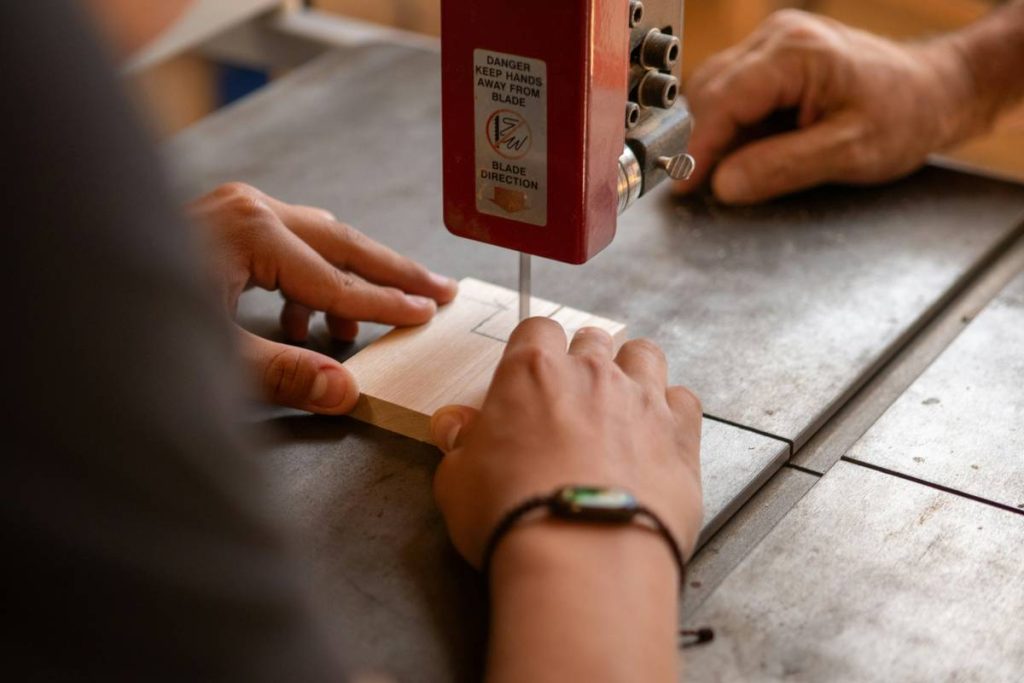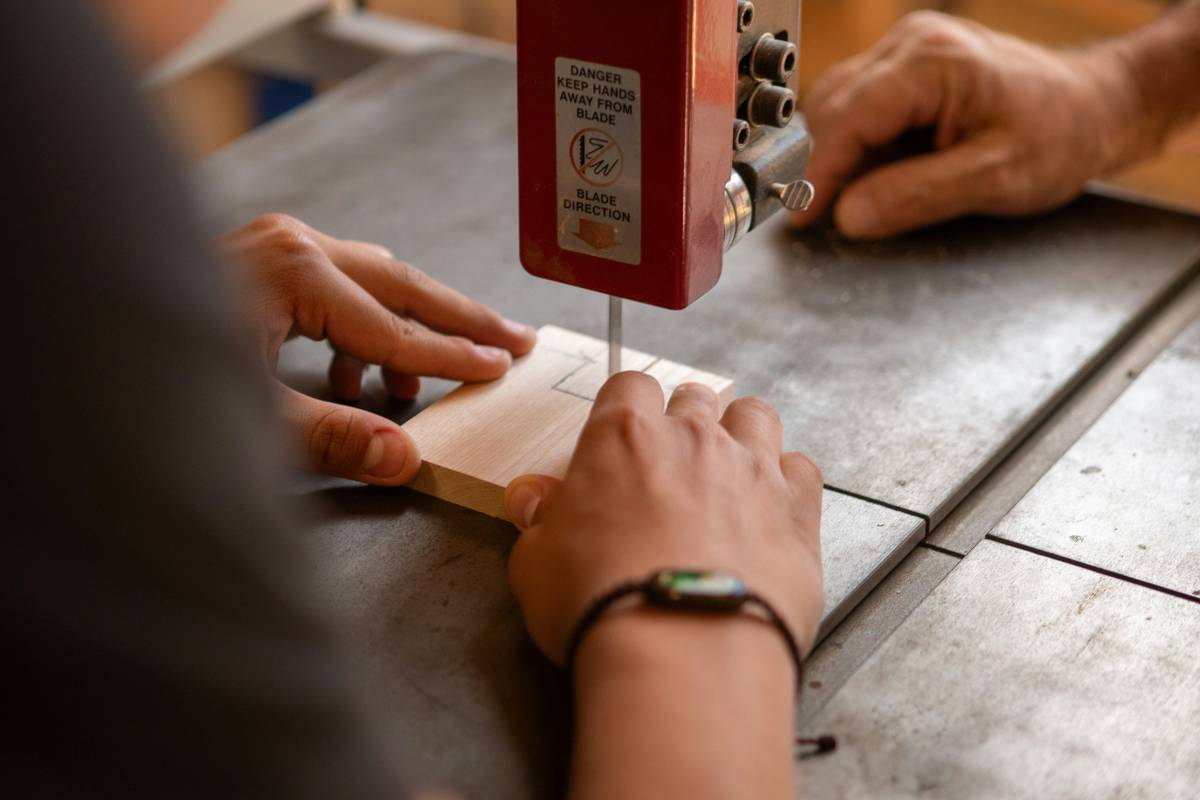
You bought a jigsaw. Maybe even a scroll saw. Yet curves still splinter, resawing feels like wrestling concrete, and that “precision cut” ends up in the scrap bin. Frustrating? Absolutely. The real issue isn’t your skill—it’s the tool. Most woodworkers waste months fighting inadequate gear before realizing one truth: if you’re serious about clean, efficient cuts in thick stock or complex shapes, nothing replaces a proper band saw machine.
Why Standard Cutting Tools Let You Down
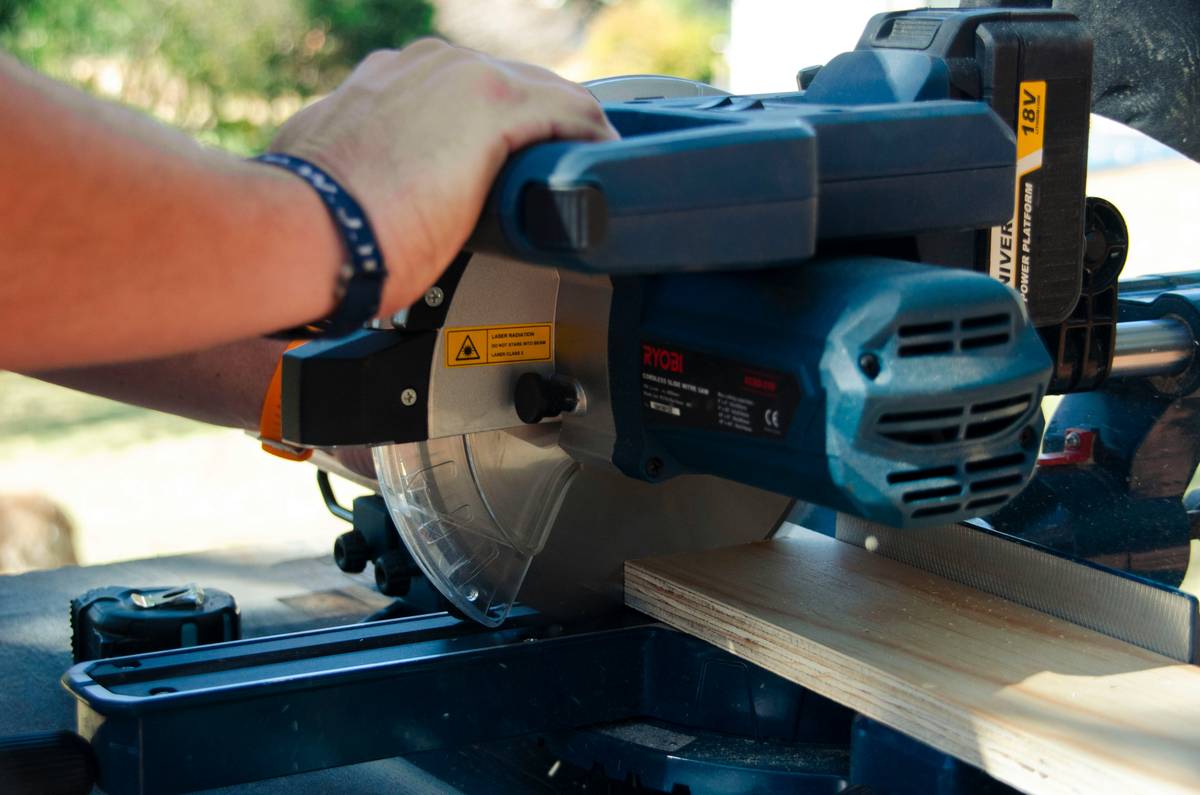
Circular saws tear out veneers. Jigsaws wobble on anything over 1 inch thick. Even decent table saws can’t handle tight radii or internal cutouts without drill starts and tedious pivoting. And let’s be honest—most “budget” band saws sold online are underpowered toys with flimsy frames that vibrate like a washing machine on spin cycle.
Here’s the reality: a weak motor, poor blade tracking, or an unstable base doesn’t just slow you down—it ruins material. Hardwoods like oak or walnut demand consistent feed pressure and rigidity. Without it, you get burned edges, wandering lines, and wasted time sanding away mistakes that shouldn’t exist.
Choosing and Using Your Band Saw Machine Right
Picking the right unit isn’t about chasing specs—it’s about matching the machine to your actual workload. A hobbyist making occasional birdhouses doesn’t need a 3HP industrial beast. But if you’re resawing 8-inch maple slabs weekly? Anything less is self-sabotage.
Resawing Like a Pro Begins With Blade Selection
Most beginners slap in a generic 1/4″ skip-tooth blade and wonder why their kerf wanders. Wrong move. For resawing, you need a wide blade (1/2″ minimum) with low tooth count (2–3 TPI). This reduces drift and handles heat buildup better. And tension matters—under-tensioned blades deflect; over-tensioned ones snap or strain bearings.
Setup Determines Success—Not Skill Alone
Even a £1,000 band saw machine performs poorly if guides aren’t aligned or wheels lack coplanarity. Spend 20 minutes dialing this in. Use a straightedge across both wheels—if there’s a gap, shims are non-negotiable. And adjust guide blocks so they’re *just* shy of touching the blade. Too tight = friction burns. Too loose = vibration city.
Cost vs. Capability: What You Really Pay For
Don’t assume price equals performance. Some mid-range European imports punch above their weight thanks to cast-iron frames and quality bearings. Others—especially rebranded Chinese OEMs—cut corners on wheel balance or motor windings.
| Price Tier | Typical Motor | Best For | Hidden Limitation |
|---|---|---|---|
| Under £300 | 1/3 – 1/2 HP | Plastic models, thin plywood, light hobby work | Frame flex ruins accuracy beyond 1″ depth |
| £300 – £700 | 3/4 – 1 HP | Serious hobbyists, small furniture makers | Limited resaw capacity; may need aftermarket upgrades |
| £700+ | 1.5 – 3 HP | Professional shops, daily hardwood use | Requires 240V power in some models |
The Industry Secret No One Talks About
Here’s what catalogs won’t tell you: blade quality often matters more than the machine itself. A premium bi-metal blade from Lenox or Wood Slicer on a £400 saw will outperform a cheap carbon-steel blade on a £1,200 unit. Why? Vibration dampening, consistent tooth geometry, and heat resistance directly impact cut smoothness and drift.
But—and this is critical—blade life tanks if your tires are glazed or cracked. Rubber tires grip the blade’s back edge. When they harden or develop flat spots, the blade slips under load, causing chatter or stalling. Replace them every 2–3 years, even if they “look fine.” It’s the single most overlooked maintenance task in small workshops.
Frequently Asked Questions
Can a band saw machine cut metal?
Only if specifically rated for metal—with appropriate speed reduction and coolant. Standard woodworking band saws run too fast and will shatter metal-cutting blades or warp the frame.
What’s the ideal blade width for curves?
For tight radii under 2 inches, use 1/8″ to 1/4″ blades. Wider blades resist twisting but can’t navigate sharp turns. Match width to your smallest curve radius.
How often should I clean my band saw machine?
After every major project. Sawdust buildup in wheels, guides, and under the table causes alignment drift and fire risk. Weekly vacuuming prevents 90% of mechanical issues.